2026 Top Lace Brassiere Types for Global Buyers

The global lingerie market is entering 2026 with stronger demand for comfort, design flexibility, and responsible sourcing. Grand View Research valued the global lingerie market at approximately USD 88.32 billion in 2023 and projects continued growth through 2030. This broader category includes bras, shapewear, sleepwear, and intimate apparel. Lace Brassiere products therefore compete within a large, diverse market rather than a single fashion niche.

Buyer expectations are becoming more specific. Grand View Research identifies online retail as a major lingerie distribution channel, while McKinsey’s State of Fashion reports highlight value sensitivity and rising scrutiny of sustainability claims. These trends affect material selection, product photography, packaging, and return management. A lace brassiere with soft underwires, adjustable straps, and reinforced seams may perform better across different customer groups. Small details matter.

This guide examines the top Lace Brassiere types expected to attract global buyers in 2026. It considers balconette, plunge, wireless, bralette, and full-coverage constructions. It also compares lace placement, lining choices, size grading, and supplier suitability. However, market reports often group lace products with wider lingerie categories. Their figures are useful, but not perfectly precise. That limitation deserves attention. Actual demand can differ by region, climate, body shape, purchasing power, and cultural preference. Buyers should verify fabric composition, test samples, review certifications, and assess production consistency before placing volume orders. A beautiful lace surface is not enough. Reliable fit remains decisive.
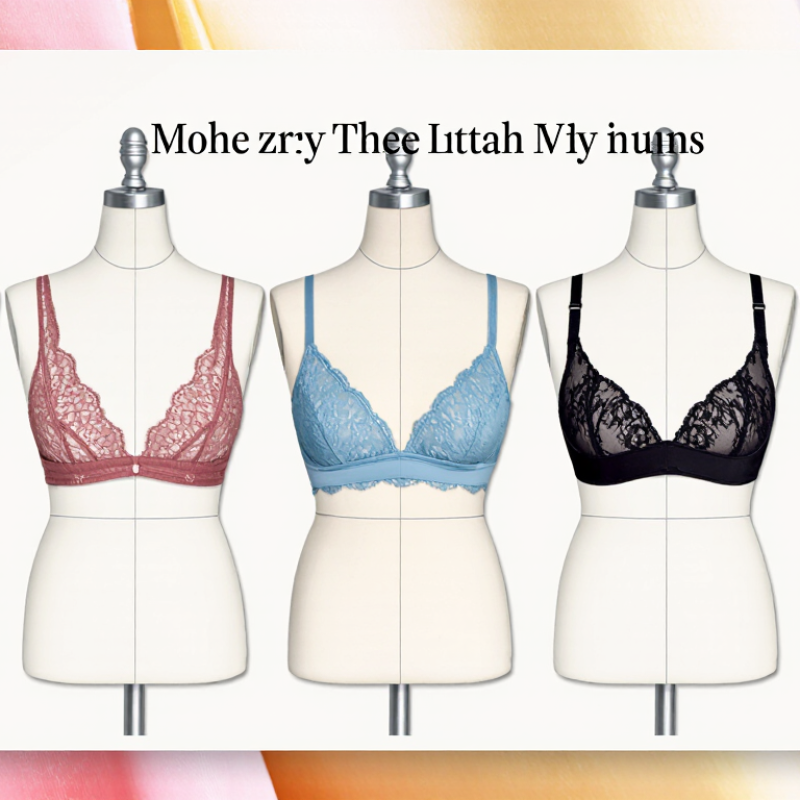
2026 Top Lace Brassiere Types for Global Buyers

What Defines a Lace Brassiere and Its Main Design Features

2026 Top Lace Brassiere Types for Global Buyers

A lace brassiere is a supportive intimate garment with lace used as a visible or layered design element. It may include molded cups, soft fabric cups, underwire, adjustable straps, and a rear fastening system. Lace alone does not define quality. Construction matters more.

During sample reviews, buyers should inspect the lace edge, cup seams, and elastic recovery. A well-made piece feels smooth against the skin and keeps its shape after repeated movement. Scalloped lace can create a delicate outline, while stretch lace improves comfort across different body shapes. Some designs use a lining beneath transparent lace. Others leave selected areas sheer for a lighter visual effect.

Cup structure changes the garment’s purpose. Lightly lined cups offer a natural profile. Molded cups provide more consistent shaping. Underwire can improve support, but poor wire placement may cause pressure near the underarm. Strap width, hook spacing, and band height also affect daily comfort. Small details matter.

Global buyers should request measurements, material percentages, colorfastness data, and wash-care instructions. Lace may shrink or lose elasticity when exposed to excessive heat. A beautiful sample can still fail during production. This is easy to overlook. Fit testing on several sizes gives more reliable evidence than approving one sample. In practice, softer lace is not always stronger, and heavier fabric is not always more supportive.

How to Classify Lace Brassiere Types by Structure and Support

For global buyers, lace brassiere types should be classified by structure before appearance. Grand View Research estimates the global lingerie market reached USD 94.4 billion in 2023. It also projects a 6.4% CAGR from 2024 to 2030. This growth increases the need for clearer product specifications.

Structure decides the wearing result. Unlined lace cups offer light shaping and suit low-support use. Molded cups with lace overlays provide smoother contours under fitted clothing. Demi and balconette designs expose more upper breast tissue. Plunge styles lower the center bridge and support deeper necklines. Full-cup designs enclose more tissue and usually improve stability. Longline versions extend below the bust, adding torso control.

Support depends on more than cup height. Underwires, firm underbands, side panels, and reinforced seams create medium to high support. Wireless bralettes usually provide low to medium support, unless they use wide bands and internal slings. High-support lace styles need strong straps, breathable power mesh, and carefully graded sizing. The European Committee for Standardization highlights accurate garment measurement as essential for consistent fit across markets. A practical buyer should request band stretch, wire length, cup depth, and recovery tests. Small details matter.

A lace surface can look luxurious but still feel unstable. That is an easy mistake. Suppliers should test movement, washing, and pressure points before final approval. Feel matters too.

2026 Top Lace Brassiere Types for Global Buyers - How to Classify Lace Brassiere Types by Structure and Support

Lace Brassiere Type Primary Structure Support Level Typical Cup Construction Underwire Best Use Common Size Considerations Key Buyer Advantages
Triangle Lace Bralette Soft triangular cups, narrow or medium straps, elastic underband Light Usually unlined; one- or two-layer stretch lace Usually no Loungewear, layering, low-impact daily wear More suitable for smaller to medium busts unless reinforced with wider bands and adjustable straps Low material consumption, soft hand feel, easy styling, broad color flexibility
Longline Lace Bralette Extended band covering part of the rib cage, often with multiple support panels Light to medium Unlined or lightly lined cups with vertical seams or internal lining Optional Fashion lingerie, layering under open shirts, special-occasion dressing Band length and torso height require careful grading across size ranges Improved band stability, visually distinctive silhouette, useful for premium fashion collections
Wireless Lace Bra Molded or seamed cups supported by an elastic underband and side panels Light to medium Single-layer lace, lined lace, or soft foam cups No Everyday comfort, workwear, travel, extended wear Wider straps, taller side wings, and firm underbands improve support in larger sizes Comfort-focused product positioning and fewer wire-related fitting issues
Underwired Lace Bra Separate cups, underwire channels, center bridge, side wings, and adjustable straps Medium to high Seamed or molded cups with lace overlay and lining Yes Daily support, office wear, fuller-bust fitting Wire width, cup depth, bridge height, and band grading must match the target size system Defined bust separation, stable lift, and broad international demand
Plunge Lace Bra Low center front with angled cups and supportive side panels Medium Often lined, seamed, or lightly padded to direct the bust inward Usually yes Low-neck garments, eveningwear, fashion lingerie Center-front depth and cup coverage should be graded carefully to prevent overflow or gaping Creates cleavage while remaining compatible with lower necklines
Balconette Lace Bra Horizontal or three-quarter cup line with wide-set straps and supportive lower cups Medium to high Structured seamed cups, frequently lined with lace overlay Usually yes Lift-focused everyday wear, occasion lingerie, rounded silhouettes Requires accurate strap placement and upper-cup grading, especially for fuller busts Strong lift, open neckline, and a recognizable structured lingerie shape
Full-Coverage Lace Bra Tall cups, high center bridge, broad wings, and reinforced back band High Multi-panel cups with stable lining, lace overlay, and side support Usually yes Fuller-bust support, long workdays, practical daily use Wider straps, stronger elastics, deeper back closures, and extended cup sizes are important Maximum coverage, reduced spillover, and strong support potential
Push-Up Lace Bra Underwired cups with graduated padding or cushions positioned at the lower or side cup Medium Foam-lined cups with lace overlay; padding may be removable or fixed Yes Special occasions, fitted tops, cleavage enhancement Padding volume, cup depth, and center-front height must be balanced to avoid pressure or overflow Visible shaping effect and strong visual appeal for fashion-led assortments
Demi-Cup Lace Bra Lower cup coverage with a shorter vertical cup profile and supportive lower frame Medium Two- or three-piece seamed cups, commonly lined for stability Usually yes Low to medium necklines, fashion styling, moderate lift Shorter cup height may require precise fitting for projected or fuller bust shapes Balances moderate coverage with a lifted, open neckline
Lace Sports Bralette Racerback or wide-back construction, reinforced underband, and compression-oriented panels Light to medium; generally low-impact Usually unpadded or lightly lined; moisture-managing lining may be added Usually no Yoga, stretching, walking, leisure, and low-impact activities Strap stability, elastic recovery, breathability, and movement comfort should be tested Combines casual activewear function with decorative lace styling
Maternity or Nursing Lace Bra Flexible wireless frame, adjustable multi-position band, and drop-down nursing cups Light to medium Soft lined cups with stretch lace and one-hand nursing clips Generally no Pregnancy, postpartum wear, and nursing Allow for changing bust volume, flexible cup fit, extended hook settings, and non-irritating trims Functional specialization with comfort, adjustability, and discreet feeding access

Classification note: Support level is a practical product-development category based on structural features such as underwire, cup coverage, lining, seams, side panels, band width, strap design, and closure stability. Actual support depends on pattern engineering, material recovery, size grading, and wearer fit.

Which Lace Brassiere Styles Suit Different Body Shapes and Uses

2026 Top Lace Brassiere Types for Global Buyers

Lace brassiere selection should begin with body comfort, not rigid body-shape labels. A fuller bust often benefits from a full-cup style, wider straps, and a firm underband. A balconette can suit balanced proportions, while a plunge design supports lower necklines.

Longline lace styles distribute pressure across the torso. They can feel stable under fitted dresses. However, sizing remains personal. A neat rule can still fail.

Grand View Research estimated the global lingerie market at about USD 88.3 billion in 2023. Its analysis also forecasts approximately 7.1% annual growth through 2030.

This expansion reflects demand for comfort, fit variety, and attractive everyday underwear. For long workdays, buyers may prefer lightly lined lace, soft side panels, and adjustable straps.

For bridal or occasion use, structured cups and concealed support create a cleaner silhouette. For sleepwear, wireless lace usually reduces pressure.

Measure carefully.

Retail buyers should test cup depth, band recovery, and lace softness across several sizes. A narrow shoulder may need shorter strap adjustment. A fuller underbust may need stronger elastic, not simply a larger cup.

Textile Exchange’s Materials Market Report 2024 also highlights the growing importance of fiber traceability and recycled materials. Still, sustainability claims require supplier documents and laboratory verification.

This part is easy to overlook. Fit samples, wash testing, and wearer feedback remain more reliable than appearance alone.

How to Evaluate Materials, Comfort, Fit, and Product Quality

2026 Top Lace Brassiere Types for Global Buyers

Material selection should begin with fiber disclosure, not appearance. The 2024 Textile Exchange Materials Market Report estimates global fiber production reached 124 million tonnes in 2023. It may reach 160 million tonnes by 2030. Buyers should request exact percentages for lace, lining, elastic, and thread. Recycled polyamide can reduce virgin material demand, but it does not guarantee softness. The OECD reports that only 9% of global plastic waste was recycled in 2019. Supply-chain claims therefore need certificates and traceable test records.

Comfort depends on pressure distribution. Check whether the underband lies flat without cutting into the ribs. Examine the center panel, strap width, cup depth, and lace edges. A soft hand is not proof of lasting comfort. Wear-test samples for several hours, including sitting, walking, and bending. Skin-sensitive users may notice rough seams or unstable elastic quickly. Our own fitting checks sometimes miss movement-related pressure. That is worth admitting.

Fit evaluation should include multiple body shapes, not one mannequin size. Measure cup symmetry, hook alignment, stretch recovery, and dimensional change after washing. Use recognized textile methods, such as ISO-based colorfastness and dimensional-stability testing. Request reports for restricted substances, color migration, and metal components where applicable. Product quality also includes consistent stitching, clean lace joins, secure bar-tacks, and readable care labels. A lower price can be attractive, but weak recovery may create higher return rates. That risk deserves data, not guesswork.

2026 Top Lace Brassiere Types for Global Buyers

Material reference for evaluating comfort, breathability, fit support, and product quality in lace brassiere construction.

Cotton generally offers higher moisture absorption, while nylon and polyester provide lighter, more durable lace structures. Elastane is commonly added to stretch lace to improve recovery and fit. Values shown are typical nominal fiber properties; actual brassiere performance also depends on yarn count, lace construction, finishing, lining, and sewing quality.

What Global Buyers Should Check Before Sourcing Lace Brassieres

2026 Top Lace Brassiere Types for Global Buyers

What Global Buyers Should Check Before Sourcing Lace Brassieres

Global buyers should inspect more than lace appearance before placing a brassiere order. Construction determines comfort, durability, and return risk. Check the lace fiber, stretch recovery, lining, underwire channel, hook strength, and strap adjustment. Request fiber content and colorfastness reports from qualified testing laboratories. A beautiful sample can still fail after washing.

Ask suppliers for a complete size chart, tolerance range, production lead time, and minimum order quantity. Measure the sample yourself, especially the band and cup depth. I once trusted a supplier’s measurements too quickly. That mistake created fitting problems across several sizes. Review sewing density around the cups and bartacks. Loose threads often reveal weak quality control. Supplier audits, traceable production records, and clear inspection procedures also support responsible purchasing. Requirements differ by market, so verify current textile labeling, chemical safety, and packaging rules with local specialists.

Tips: Order pre-production samples in several sizes. Test stretch after repeated washing. Check lace edges for scratching. Confirm metal parts resist corrosion. Compare approved samples with bulk goods. Keep written records, even for small orders. One detail gets missed easily. Include care labels, carton marks, and defect limits in the purchase agreement. Reliable sourcing is not only about price; it is about evidence, consistency, and the buyer’s willingness to question convenient answers.