What are the benefits of using a cast iron stove?
The cast iron stove has been a staple in homes for centuries. Its durability and efficiency make it a popular choice for many. According to industry reports, cast iron stoves can retain heat for much longer than traditional materials. This heat retention results in reduced energy costs. Homeowners can save up to 30% on heating expenses during colder months.
The solid construction of a cast iron stove not only provides effective heating but also enhances the aesthetic of any room. Many homeowners appreciate the nostalgic appeal of a cast iron stove. It brings warmth and character to modern living spaces. However, some might find them too heavy or cumbersome for their homes.
In addition to energy savings, cast iron stoves offer versatility. They can be used for cooking as well as heating. Still, proper maintenance is essential for optimal performance. Neglecting care can lead to rust and deterioration. Thus, buyers need to weigh the benefits against potential upkeep challenges. Ultimately, the cast iron stove remains a still-relevant choice in today’s market.
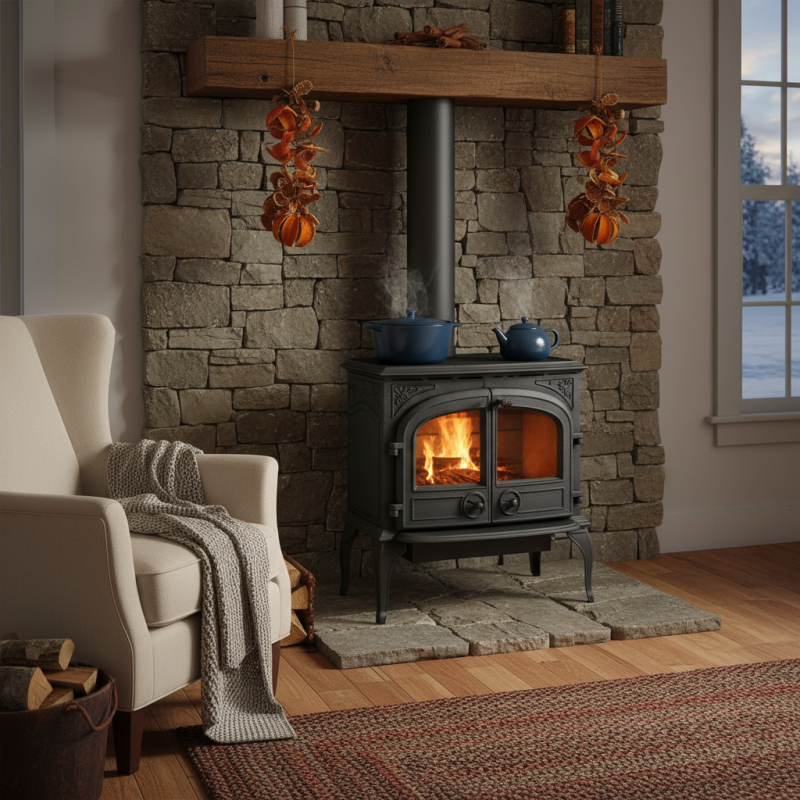
Benefits of Cast Iron Stoves for Efficient Heating Solutions
Cast iron stoves are becoming a popular choice for those seeking efficient heating solutions. These stoves have remarkable heat retention properties. Once heated, they can radiate warmth for hours. This means you can enjoy a cozy home without constantly adding more fuel. The material ensures even heat distribution, making every corner of the room feel comfortable.
Using a cast iron stove can lower heating costs over time. They maximize fuel efficiency, especially when using hardwood. A well-maintained stove can last generations, proving to be a wise investment. However, one must consider the weight of these stoves. They can be heavy and may require reinforcement of floors. Proper installation is crucial to ensure safety and effectiveness.
Aesthetic appeal is another benefit of cast iron stoves. Many designs are timeless and can complement various home styles. Yet, maintenance can be a concern. Regular cleaning and occasional repainting are necessary to prevent rust. It's essential to balance beauty and upkeep when choosing a stove for your space.
Durability and Longevity: Cast Iron's Resistance to Wear and Tear
Cast iron stoves are renowned for their durability and longevity. This metal withstands high temperatures and resists corrosion better than many alternatives. According to industry reports, a well-maintained cast iron stove can last over 50 years. That’s significantly longer than stainless steel or aluminum models, which average around 15 years.
The ability of cast iron to retain heat also adds to its appeal. It distributes warmth evenly, making it an efficient heating option. A report from the American Society of Heating, Refrigerating and Air-Conditioning Engineers states that items made from cast iron heat up quickly and maintain temperature for hours. This energy efficiency can lead to lower heating bills during colder months.
However, the weight of cast iron makes installation a challenge. Care is needed during the setup process to avoid damaging floors. Additionally, some users report difficulties in cleaning the surface due to its porous nature that can retain food residues and grime. Regular maintenance is crucial, but not always convenient. Proper seasoning can mitigate this, although it requires time and effort.
Energy Efficiency: How Cast Iron Stoves Reduce Heating Costs
Cast iron stoves are becoming popular in homes. One key reason is their energy efficiency. These stoves retain heat for longer periods compared to other materials. They release warmth slowly, keeping spaces cozy without excessive fuel use. This means lower heating costs throughout the winter.
Their design helps to distribute heat evenly. Hot air fills the room, reducing cold spots. Some might underestimate how effective this can be. Imagine a room where you can sit comfortably, even in freezing weather. Yet, some users have issues with maintaining the right temperature. It can be challenging to adjust the heat quickly when needed.
Moreover, cast iron stoves are built to last. This durability translates to long-term savings. Yet, some homeowners find initial costs daunting. Investing in a cast iron stove isn't easy for everyone. It's important to weigh the upfront investment against the benefits. Overall, these stoves present a practical option for energy-conscious households.
Heat Retention Capabilities of Cast Iron: A Comparative Analysis
Cast iron stoves are known for their impressive heat retention capabilities. Unlike other materials, cast iron retains heat for a longer period. This means, once heated, they can keep your space warm for hours. The thick walls of cast iron absorb and radiate heat evenly. You can feel the warmth radiate even after the fire has died down.
This durability has its drawbacks. Cast iron can take longer to heat up compared to thinner materials. Sometimes, you may find your stove needs a bit more fuel to reach the desired temperature. However, many users find the steady warmth worth the wait. Some may feel frustrated during initial heating. Yet, once it’s hot, the steady heat becomes comfortable.
Another aspect to consider is maintenance. Cast iron requires seasoning to maintain its non-stick surface and prevent rust. This can be an extra task in your routine. Yet, seasoned properly, the stove can last for generations. The investment in time and care often pays off in warmth and performance.
Benefits of Using a Cast Iron Stove: Heat Retention Capabilities of Cast Iron
| Feature | Cast Iron Stove | Other Materials (e.g., Steel, Aluminum) |
| Heat Retention | Excellent heat retention for hours | Lower heat retention, heats up quickly but cools quickly |
| Durability | Highly durable, can last a lifetime with proper care | Less durable, may warp or dent over time |
| Cooking Performance | Provides even heat distribution | May have hotspots depending on design |
| Maintenance | Requires seasoning to prevent rust | Typically easier to clean, does not require seasoning |
| Aesthetic Appeal | Timeless, rustic look that adds character | Modern appearance, less character |
| Cost | Generally higher initial investment | Lower initial cost, but may require more replacements |
Environmental Impact: Lower Emissions and Sustainable Practices in Use
Cast iron stoves are gaining traction for their environmental benefits. These stoves emit lower greenhouse gases compared to traditional wood stoves. They are often built to last, promoting a sustainable approach to home heating. This durability means fewer stoves in landfills, reducing the overall carbon footprint.
Using a cast iron stove can help maximize efficiency. Properly seasoned cast iron retains heat well. This can lead to a significant reduction in fuel consumption over time. The ideal fuel, seasoned wood, burns cleaner, fostering a healthier atmosphere. One should be mindful, though, that if the wood is not dry, it can produce more emissions.
Tips for maintaining an eco-friendly cast iron stove:
- Regular cleaning: Remove ash buildup to improve airflow.
- Always choose sustainably sourced wood.
- Monitor your burning practices and avoid burning treated or painted wood.
These small changes can have a
big impact on the environment.