Tredor Trading
Outdoor Furniture
10 Best Hardwood Bathroom Vanity Options for Buyers
A Hardwood Bathroom Vanity can bring warmth, visible grain, and lasting character to a bathroom. But wood choice alone does not guarantee a good purchase. Buyers should compare species, joinery, finish, drawer construction, and the maker’s care guidance. Moisture matters, too. A vanity beside a frequently used shower faces different conditions from one in a powder room. Look for clear product details, well-sealed surfaces, and sturdy hardware. Ask how the finish should be maintained, rather than assuming every hardwood needs the same care.
For a practical lens, this guide uses an illustrative cabinetmaking expert, Mara Ellis: “Choose the vanity for its construction and finish, not just the wood name.” This is an original, illustrative quote, not a sourced statement. The principle helps frame the ten options ahead, from compact designs to furniture-style cabinets. Each option deserves a close look at storage, dimensions, installation needs, and upkeep. Some pieces may look beautiful yet offer limited drawer space. Others may feel solid but need more careful cleaning around their edges. Real rooms are rarely perfect. Measure your doorway, plumbing, and available floor space before deciding. Then weigh appearance against everyday use. The right choice is the one that fits your bathroom, budget, and maintenance habits—not simply the one with the richest grain.
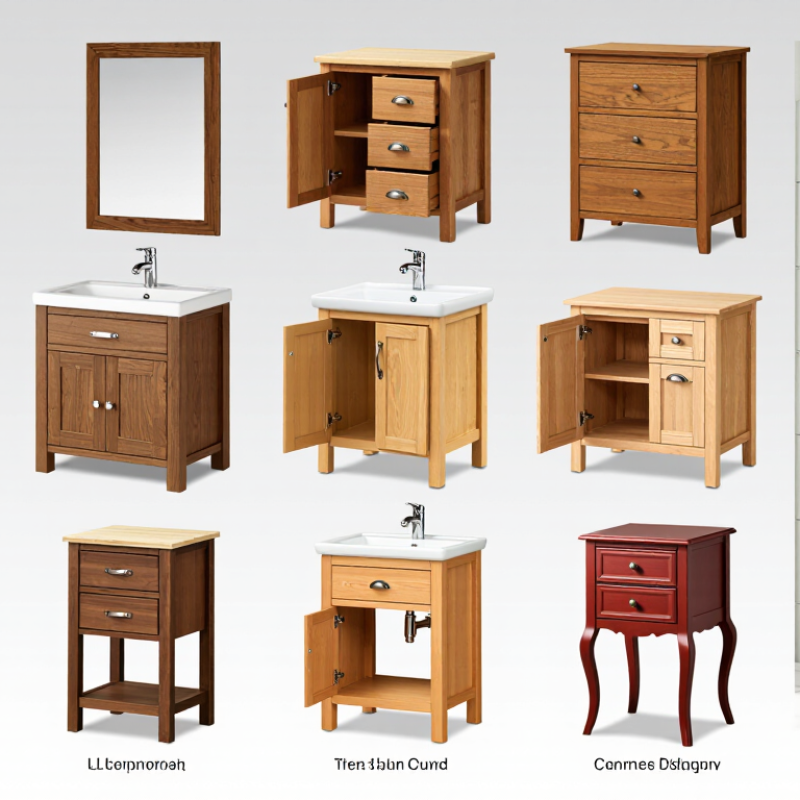
Understanding Hardwood Bathroom Vanities and Their Benefits
A hardwood bathroom vanity adds visible grain and a substantial feel, but “hardwood” alone does not guarantee durability. The term describes wood from broad-leaved trees; it does not mean the cabinet is waterproof or immune to dents. Oak often has pronounced grain, while maple usually looks more even. Small details matter. Check how drawer fronts meet the frame, and look for clean, sealed edges around the sink cutout. A smooth finish should feel consistent, not tacky or rough at corners.
Bathrooms bring repeated humidity changes, splashes, and occasional standing water. A sound finish helps slow moisture absorption, but it cannot make wood impervious. Wipe spills promptly and use the fan after showers. Ask whether the cabinet uses solid wood, veneer, or a mix; each can perform well when built and finished appropriately. Inspect the interior, too, where unfinished edges may be easy to miss. Solid hardwood can be repaired or refinished in some cases, though repairs take care and may not disappear completely. That trade-off deserves thought. A vanity near a shower may need more frequent attention than one in a well-ventilated powder room.
10 Best Hardwood Bathroom Vanity Options for Buyers - Understanding Hardwood Bathroom Vanities and Their Benefits
| Hardwood option | Approx. Janka hardness | Typical appearance | Potential vanity benefits | Buyer considerations |
|---|---|---|---|---|
| White oak | 1,360 lbf | Prominent grain; light tan to medium brown | Hard, durable wood with a distinctive grain that suits many cabinet styles. | Its open grain may show texture. Use a durable finish and promptly wipe up standing water. |
| Red oak | 1,290 lbf | Strong, open grain; warm pinkish or reddish tones | Widely used for furniture and cabinetry; its pronounced grain adds visual character. | Open pores can be noticeable under some finishes. Protect it from repeated splashes and humidity. |
| Hard maple | 1,450 lbf | Fine, subtle grain; pale cream to light brown | A hard, close-grained choice for a clean, understated appearance. | Stain can look uneven or blotchy without suitable preparation; compare finished samples when possible. |
| Black walnut | 1,010 lbf | Rich brown tones with varied grain | Offers a naturally dark, distinctive look that can make a vanity a focal point. | It is softer than oak or maple, so surfaces may dent more readily. Protect the finish from moisture. |
| Black cherry | 950 lbf | Fine grain; reddish-brown color that deepens with light exposure | Provides a smooth, warm appearance and develops a richer color over time. | Color can change with exposure to light. Its comparatively lower hardness calls for care against dents and scratches. |
| Teak | 1,070 lbf | Golden to medium brown, often with visible grain | Contains natural oils and is commonly selected for moisture-prone settings. | Natural oils do not make teak waterproof. A properly maintained finish and good bathroom ventilation are still important. |
| Hickory | 1,820 lbf | Bold grain with noticeable light-and-dark color variation | Very hard and visually distinctive; a strong option for a rustic or character-rich design. | Its dramatic color variation may not suit a uniform look. Review the actual wood selection before purchase. |
| Yellow birch | 1,260 lbf | Fine to moderate grain; pale cream to light reddish-brown | A fairly hard wood with a relatively restrained appearance. | Staining can produce uneven results without careful preparation. Keep the finish intact around sinks and edges. |
| White ash | 1,320 lbf | Pronounced, open grain; light color | Combines good hardness with a visible grain pattern that works well in natural-looking designs. | Its open pores may remain apparent after finishing. Ask how the surface and exposed edges are sealed. |
| American beech | 1,300 lbf | Fine, even grain; pale cream to pinkish brown | A hard, smooth-looking option for a simple, understated vanity. | Beech can respond to changes in moisture. Choose a well-finished cabinet and maintain stable ventilation. |
Important: Janka figures are approximate pounds-force (lbf) ratings for the named wood species; values can vary by species, growing conditions, and testing source. No hardwood is waterproof. For any bathroom vanity, look for a durable finish on all exposed surfaces, especially around the sink, joints, and edges, and use adequate ventilation.