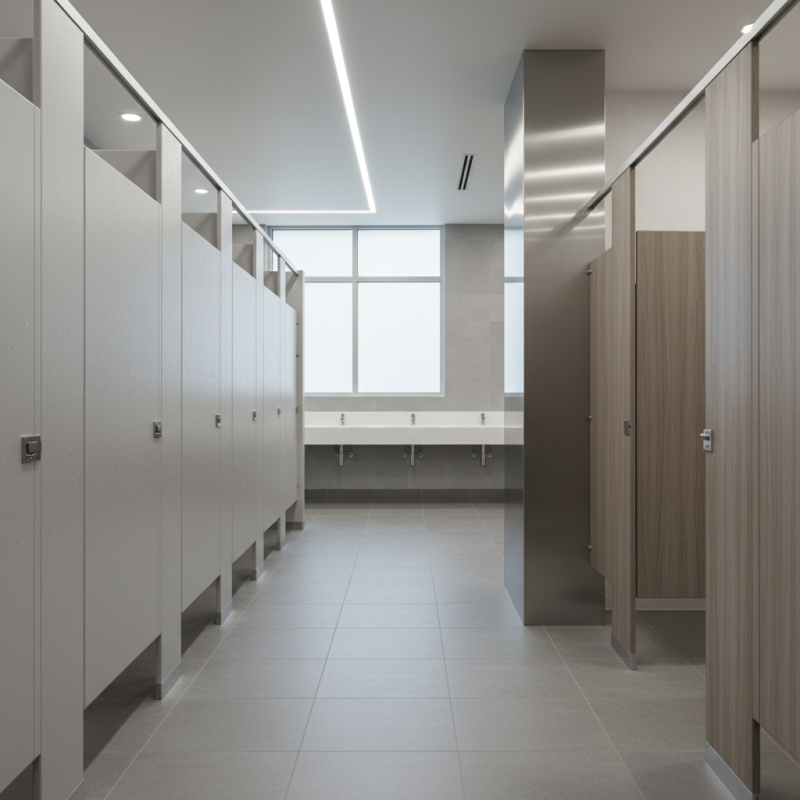
What is the Best Material for Restroom Stall Walls?
Choosing the right material for Restroom Stall Walls can greatly impact user experience. Many factors come into play, including durability, maintenance, and aesthetics. Popular options include plastic, metal, and laminate, each offering unique benefits and drawbacks.
Plastic is lightweight and resistant to moisture. However, it might lack the sturdiness some users expect. Metal options can be durable but may dent or rust over time. Laminate surfaces offer a cleaner look but can be prone to peeling. These material choices often create a balancing act between functionality and appearance.
Deciding on the best material for restroom stall walls is not straightforward. It involves careful consideration of specific needs and conditions. The right choice can enhance privacy, cleanliness, and even overall restroom safety. Reflecting on these factors will lead to a more informed decision.
Overview of Restroom Stall Wall Materials
When considering restroom stall wall materials, several options come to mind, each with unique advantages and drawbacks. Traditional metal partitions are durable and easy to clean. However, they can dent or scratch easily, leading to an unattractive appearance over time. Laminate panels offer a variety of colors and designs, adding visual appeal. Yet, they might not withstand heavy usage as well as some other materials.
Another choice is solid plastic. This material is inherently resistant to moisture and chemicals. It’s also available in vibrant colors. However, some users find the surface less visually appealing compared to other options. In contrast, fiberglass panels are strong but can be costly. Their installation requires skilled labor, adding to expenses. Thus, each material carries benefits and limitations that must be weighed carefully, ensuring the chosen option aligns with both function and aesthetic needs.
Factors to Consider when Choosing Stall Wall Materials
When choosing restroom stall wall materials, consider durability first. High-traffic areas require robust materials that withstand wear and tear. Solid plastics and reinforced metal are popular choices, offering resistance to dents and corrosion. Think about potential impacts from heavy use. Some materials may chip or scratch easily, leading to a need for quick replacements.
Next, hygiene plays a crucial role. Non-porous surfaces are ideal as they prevent bacteria buildup. Consider materials that are easy to clean and maintain. Laminates can be visually appealing but may not resist stains well. In contrast, porcelain provides a sleek look and is easy to sterilize.
Lastly, budget constraints are an inevitable factor. High-quality options offer longevity, but initial costs can be daunting. Balance your budget with the necessity for safety and aesthetics. It's essential to weigh these factors carefully. Making a decision requires looking beyond the surface. A good material can enhance the restroom experience, while a poor choice may lead to dissatisfaction over time.
Material Comparison for Restroom Stall Walls
Comparison of Popular Materials for Restroom Stalls
When choosing the best material for restroom stall walls, several options stand out. Each material has its pros and cons, which can be crucial for busy facilities. For example, laminate is popular because it offers a variety of designs. It is relatively affordable and easy to clean. However, it can be prone to chipping and may not last long in high-traffic areas.
Another option is stainless steel. It is durable and resistant to vandalism. Stainless steel can withstand moisture, making it suitable for restrooms. Yet, it often feels cold and uninviting. Some users may find it less comfortable. On the other hand, solid plastic offers excellent resistance to stains and moisture, ensuring longevity. Still, its higher cost may deter some facility managers.
Wood is another alternative, appealing for its warmth and aesthetic. However, it requires regular maintenance to prevent mold and rot. In some cases, wood’s appeal may not justify the added responsibility. Each material presents unique challenges and benefits. Evaluating the right choice requires considering both the environment and potential user experience.
Durability and Maintenance of Restroom Stall Wall Options
When choosing restroom stall materials, durability is key. Many options exist, each with pros and cons. For example, metal and solid plastic are popular choices. Metal holds up well under pressure but can rust. Solid plastic does not corrode, making maintenance easier. However, some people find it too flexible.
Another aspect is how often stalls need cleaning. Some materials attract dirt more than others. Wood can absorb moisture, which leads to mold. This makes upkeep harder. In contrast, fiberglass is easier to wipe down. Yet, it can chip or crack over time.
Cost considerations often lead to difficult decisions. Investing in more durable materials may save money in the long run. However, the initial expense can be daunting for many facilities. Regular maintenance is crucial regardless of the material chosen. This is a factor often overlooked. Each option requires reflection on its long-term impact.
Cost Implications of Different Stall Wall Materials
When considering restroom stall walls, cost plays a crucial role. Various materials come with distinct price points. For example, plastic laminate is affordable but may not last long. Metal panels are durable, yet they come at a higher expense. Wood, despite its aesthetic appeal, is susceptible to moisture damage, leading to higher maintenance costs.
Tips: Think about the lifecycle of the material. Cheaper options may need replacement sooner. This can lead to unexpected expenses. Evaluate how much wear and tear your stalls will encounter. Remember, the upfront cost isn’t the only factor.
Another consideration is installation costs. Some materials require specialized labor, driving up expenses. For instance, concrete walls are sturdy but tough to install. In contrast, pre-fabricated panels can save time and labor costs. These details add up quickly and can influence your final decision significantly.
Tips: Always ask about installation requirements and potential hidden fees. Understand what you're getting into, financially speaking. Cost should not be the sole focus; durability matters too.
What is the Best Material for Restroom Stall Walls? - Cost Implications of Different Stall Wall Materials
| Material | Cost per Square Foot | Durability Rating | Maintenance Level | Water Resistance |
| Stainless Steel | $30 | High | Low | Excellent |
| Phenolic | $25 | Moderate | Medium | Good |
| HDPE (High-Density Polyethylene) | $20 | High | Low | Very Good |
| Wood Laminate | $15 | Low | High | Fair |
| Fiberglass | $22 | Moderate | Medium | Good |