Best Wall Sconce Designs for Global Buyers in 2026?
The demand for wall sconces is rising as design preferences evolve. According to the latest industry report by Research and Markets, the global wall sconce market is expected to grow by 5% annually, reaching $3 billion by 2026. This surge is driven by a shift towards aesthetic versatility and energy-efficient lighting solutions.
Designs now cater to diverse tastes, from minimalist Scandinavian to bold industrial styles. Buyers are increasingly looking for pieces that blend functionality with artistry. Some prefer smart features, integrating technology into their homes. This reflects a broader trend where consumer choices are influenced by sustainability and modern aesthetics.
However, the challenge lies in balancing style and practicality. Not all wall sconces provide adequate illumination for specific spaces. Buyers must also consider factors like installation costs and maintenance needs. As global buyers navigate these complexities in 2026, the right wall sconce can significantly enhance both ambiance and functionality in any setting.
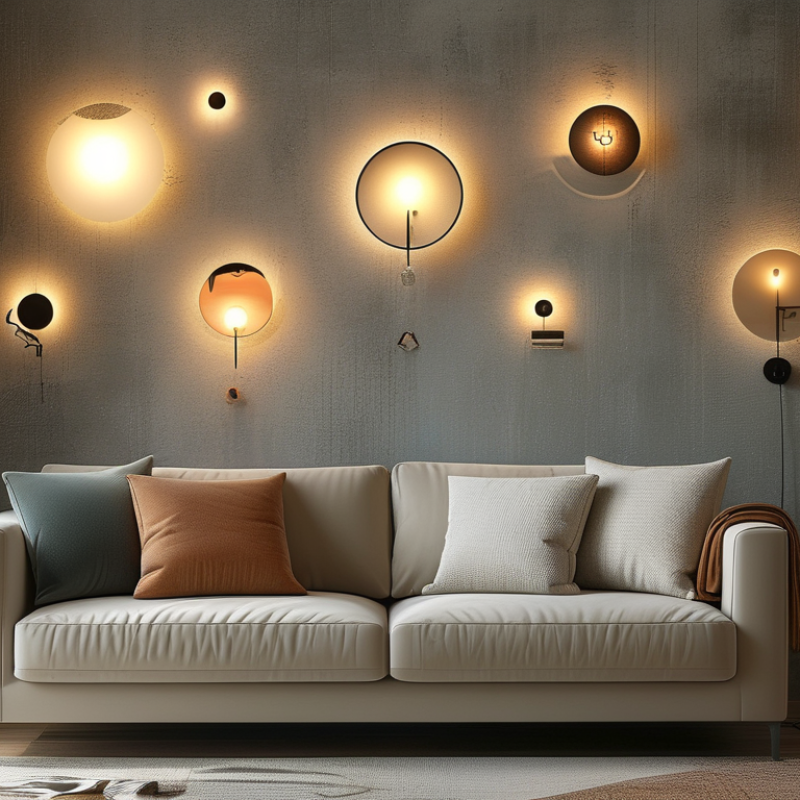
Innovative Materials for Wall Sconce Designs in 2026
In 2026, wall sconce designs will embrace innovative materials, offering unique aesthetics and functionality. Designers are exploring sustainable materials like bamboo and recycled metals. These options reduce environmental impact while adding an organic touch to interiors.
Lighting is essential, and the right material can enhance its effect. For instance, glass diffusers can soften light beautifully. Yet, imperfect designs may sometimes lead to shadows or uneven light distribution. Balance is key when choosing a sconce.
Tip: When selecting wall sconces, consider the height and placement. Ideal positioning enhances light flow. Also, mix materials to create depth. A metal frame with a wooden base can add character. Experiment with shapes; unusual designs can inspire creativity in your space.
Popular Styles and Trends in Global Wall Sconce Designs
Wall sconces are evolving rapidly, following the trends of 2026. This year, diverse styles are emerging, reflecting various cultural influences. One popular design features geometric patterns that add a touch of modernity. These sconces often use metal and glass, creating a striking contrast. They serve as functional art pieces that enhance interiors with light and visual appeal.
Natural materials also play a significant role in current designs. Wood with organic finishes brings warmth to spaces. These sconces often showcase intricate craftsmanship, raising questions about sustainability. Buyers are increasingly reflecting on the ecological impact of their choices. Furthermore, minimalist designs are gaining traction, offering simplicity in form and function. However, some might find these styles too stark. Each design tells a story, inviting a dialogue between the piece and the viewer. Balancing aesthetics with practicality is key in 2026’s design landscape.
Best Wall Sconce Designs Trends in 2026
This chart illustrates the projected popularity of various wall sconce styles among global buyers in 2026. The data shows a growing interest in modern and eco-friendly designs, reflecting consumer preferences for sustainability and contemporary aesthetics.
Functional Aspects of Wall Sconces for Contemporary Spaces
In contemporary spaces, wall sconces are more than just lighting fixtures. They enhance aesthetics while serving functional purposes. According to a recent report by the American Lighting Association, approximately 35% of homeowners prioritize energy efficiency when purchasing lighting. Wall sconces are often more efficient than traditional overhead lighting. Properly placed sconces can create an inviting ambience in any room.
Another study found that versatile sconces can double as art pieces. This trend appeals to global buyers who seek unique designs. The mix of materials, such as metal and glass, offers various textures and finishes. Matte black and brushed brass are particularly popular, evoking a modern yet timeless feel. However, one challenge remains. Many homeowners struggle to find the right balance between style and functionality.
The height and placement of sconces are crucial decisions. A well-placed sconce can illuminate a narrow hallway, while an overly bright fixture can overwhelm a cozy reading nook. Lighting experts recommend a general height between 60 to 66 inches from the floor. Adjusting this can greatly affect the perception of space. Reflecting on these choices can lead to better design outcomes, striking a balance between practicality and beauty in 2026 and beyond.
Sustainability in Wall Sconce Manufacturing Practices
As wall sconce designs evolve, sustainability takes center stage. Eco-friendly materials are becoming essential in production. Manufacturers are now exploring biodegradable options and recycled materials. This shift helps reduce environmental impact significantly.
In 2026, global buyers seek not only style but also substance. Choosing sustainably made sconces reflects a commitment to the planet. However, challenges remain. Sourcing truly green materials can be complex. Some companies make unverified claims about their products' sustainability. It’s crucial to research origins and practices thoroughly.
Factories must minimize waste and energy consumption. However, adherence to these principles varies widely. Transparency in manufacturing practices is vital. Buyers need to demand clearer information about materials used. Understanding the supply chain can lead to more informed choices. This movement toward transparency fosters a more sustainable lighting future.
Best Wall Sconce Designs for Global Buyers in 2026? - Sustainability in Wall Sconce Manufacturing Practices
| Design Style | Material Used | Sustainability Rating | Energy Efficiency | Price Range (USD) |
| Modern Minimalist | Recycled Aluminum | A+ | LED | $50 - $150 |
| Rustic Farmhouse | Reclaimed Wood | B+ | CFL | $70 - $200 |
| Industrial Vintage | Steel | B | LED | $60 - $180 |
| Art Deco | Glass and Metal | A | Incandescent | $100 - $300 |
| Eco-Friendly | Bamboo | A++ | LED | $40 - $120 |
Top Designers Leading the Wall Sconce Market in 2026
In 2026, the wall sconce market is expected to see significant innovation and growth. Designers are focusing on sustainability, creating fixtures from recycled materials. The global wall sconce market is predicted to reach $10 billion, driven by the increasing demand for stylish lighting solutions. Contemporary designs with minimalist aesthetics capture attention.
Notably, experts emphasize functionality as a crucial element. Many consumers are opting for energy-efficient options. Smart technology integration is another trend, making fixtures more versatile. These advancements cater to evolving consumer preferences. Designers are experimenting with various shapes, sizes, and finishes. This diversity enables a broader appeal in international markets.
Tips: When selecting a wall sconce, consider the overall decor theme. Choose designs that enhance the ambiance. It's essential to assess the quality of materials for durability. Investing in reliable products ensures long-term satisfaction. A balance between aesthetics and function will maximize value. Embrace the latest trends, but also reflect on personal style choices.