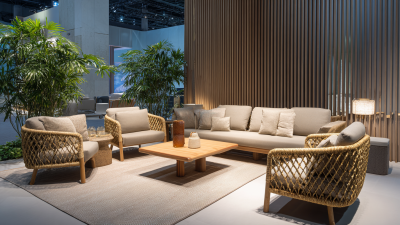
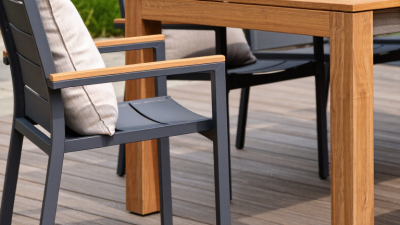
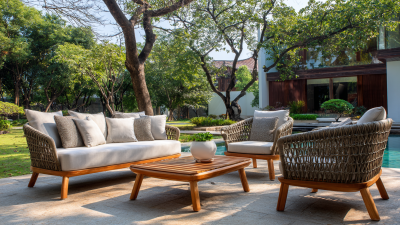
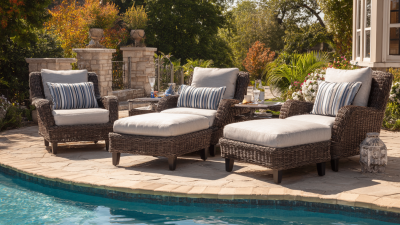
Outdoor living is not just about placing a table on a patio. It is about making everyday moments feel comfortable outside, from a quiet morning coffee to dinner with friends. Alfresco Furniture can help define that space, but the right choice depends on how you use it. A compact balcony has different needs from a large, sun-exposed deck.
Comfort matters. So does practical detail. Check seat depth, table height, and whether chairs can move easily across your paving. Materials also deserve attention: timber, metal, and synthetic finishes respond differently to sun, moisture, and regular cleaning. A cushion that feels soft in a showroom may need frequent storage in a damp climate. Small details count.
A thoughtful selection should balance appearance, durability, and care. Measure the area before buying, and leave enough room to walk around chairs when they are pulled out. Review the manufacturer’s cleaning and maintenance guidance, especially if your furniture will stay outdoors year-round. No material is maintenance-free. That is worth remembering.
The best setup is not always the largest or most expensive. It should suit your space, local conditions, and daily habits. Be honest about those habits: if cushions rarely get stored, choose options designed for outdoor use and check their care requirements. There may still be trade-offs. This guide explores why Alfresco Furniture can support outdoor living, and what to consider before choosing pieces for your home.
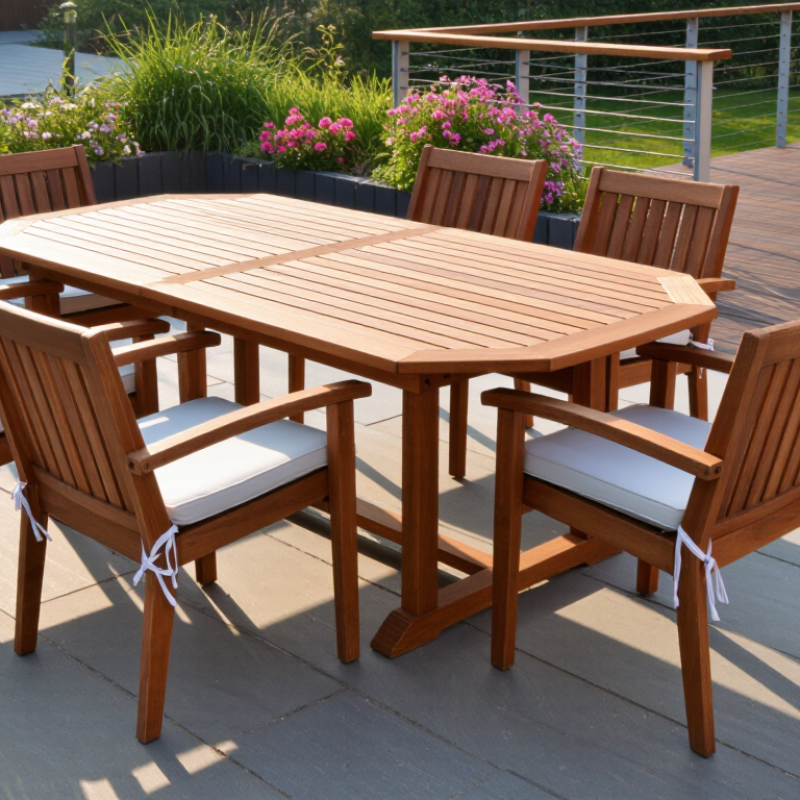
What defines alfresco furniture for outdoor living? It is furniture designed to handle sun, moisture, temperature changes, and frequent use while remaining comfortable. Frames need weather-resistant finishes and stable joints; cushions benefit from quick-drying foam and removable, fade-resistant covers. Look for raised feet and open slats, which help water drain after rain. Small details matter. Grand View Research estimated the global outdoor furniture market at about $52.8 billion in 2023, reflecting strong interest in furnishing outdoor spaces. Market growth, however, does not guarantee quality in any individual piece.
Tip: Match materials to your climate. In a rainy area, prioritize drainage and corrosion-resistant hardware. In strong sun, check fabric-care guidance and provide shade where possible.
Before buying, measure the path from the door to the seating area, not just the patio itself. A chair that fits on paper may block a sliding door or feel cramped around a table. Even durable furniture needs care; cushions left wet for days can develop problems. I would also question “maintenance-free” claims, since finishes and fabrics still benefit from regular cleaning and seasonal checks.
Outdoor furniture is made for open-air comfort and everyday use. Weather-resistant materials, comfortable proportions, and practical layouts can help create a more inviting outdoor living space.
These approximate planning ranges are common for outdoor seating and dining furniture; actual dimensions vary by design and manufacturer.
Outdoor furniture must handle more than sunshine. Rain can collect in flat seams, while strong ultraviolet light gradually fades some fabrics and finishes. Powder-coated aluminum resists rust and stays relatively light, but chips in its coating deserve prompt attention. Teak tolerates changing weather well; its color may shift toward silver unless you maintain the finish. High-density polyethylene is easy to rinse and does not splinter, though dark colors can feel hot in direct sun. Check the joints. They often reveal wear before a frame looks damaged.
Look for quick-drying cushions with solution-dyed acrylic covers, which generally resist fading better than ordinary dyed fabric. Removable covers make cleaning easier, but check that zippers and stitching feel sturdy. Slatted seats and open-weave backs let water drain instead of pooling. Stainless-steel fasteners can help prevent corrosion, especially near salt air, yet even good hardware needs occasional rinsing. Shade matters. A covered patio can extend fabric life, though it cannot eliminate moisture or dust. Check the care instructions before buying; “weather-resistant” does not mean maintenance-free. After a storm, lift cushions and inspect hidden corners. A little upkeep is easy to overlook, but it can prevent small problems from becoming loose frames or stained upholstery.
| Material or Feature | Durability Support | Care and Maintenance | Best-Suited Conditions | Practical Considerations |
|---|---|---|---|---|
| Powder-coated aluminum frames | Aluminum does not rust like iron or ordinary steel. A sound powder-coated finish adds a protective layer against weathering and surface wear. | Wash with mild soap and water. Check periodically for chips or scratches and address damaged coating to limit corrosion at exposed spots. | Rain-prone patios, balconies, and settings where lightweight furniture is useful. | Lightweight frames are easy to move but may need securing in strong winds. Quality of welds, joints, and coating affects performance. |
| Marine-grade stainless steel, such as 316 stainless | Its alloy composition offers better resistance to corrosion from salt and chlorides than common 304 stainless steel. | Rinse away salt deposits regularly, especially near the coast, and clean with a non-abrasive cloth. | Coastal or humid locations where metal fittings receive frequent exposure to moisture and salt. | “Marine-grade” does not mean corrosion-proof. Surface deposits, poor maintenance, and contact with dissimilar metals can still cause problems. |
| Teak and other naturally durable hardwoods | Teak contains natural oils and has good resistance to moisture and decay. Other hardwoods vary in durability and should be assessed individually. | Clean with a soft brush and mild soap. Teak can be left to weather to a silver-gray patina or treated to help retain its original color. | Outdoor settings where a natural wood appearance and a heavier, stable frame are preferred. | Wood color changes with sun exposure. Avoid assuming all hardwoods have teak’s natural weather resistance. |
| High-density polyethylene (HDPE) lumber | HDPE is moisture-resistant and does not rot, splinter, or rust. UV-stabilized grades are designed to better withstand sunlight. | Clean with soap and water. Follow the maker’s instructions for removing stains and avoid abrasive cleaners that may mark the surface. | Wet climates, poolside areas, and spaces where low-maintenance seating is a priority. | It can be heavier than some alternatives and may expand or contract with temperature changes; allow for suitable joint and fastener design. |
| Solution-dyed acrylic or olefin upholstery | Color is incorporated into the fiber during production, helping many outdoor fabrics resist fading. Performance varies by fabric construction and UV treatment. | Brush off loose dirt, clean spills promptly, and allow cushions to dry fully. Store or cover cushions during prolonged wet weather. | Sunny patios and outdoor seating where breathable, comfortable cushions are desired. | Outdoor fabric is not necessarily waterproof. Seams, cushion cores, and prolonged dampness can still allow moisture or mildew issues. |
| Quick-drying, open-cell cushion foam | Open-cell structure allows water to drain and air to circulate more readily than conventional closed, dense cushion filling. | Remove covers when possible and let cushions dry completely after rain. Use removable, washable covers where available. | Uncovered seating that may get wet occasionally and needs to dry faster between uses. | Quick-drying does not mean waterproof or mildew-proof; drainage, ventilation, and suitable fabric covers remain important. |
| Porcelain or sintered-stone tabletops | These dense surfaces are generally resistant to UV fading, scratches, and everyday stains. Exact performance depends on the product and finish. | Wipe with a soft cloth and mild cleaner. Use protective pads and avoid impacts at edges or corners. | Dining and serving areas exposed to sun, spills, and frequent cleaning. | Hard surfaces can be heavy and may chip or crack from strong impacts; check that the supporting frame is designed for the load. |
| Protective covers and raised feet | Breathable, well-fitted covers reduce direct exposure to rain, debris, and UV light. Raised feet help limit prolonged contact with standing water. | Keep covers clean and ventilated. Remove them periodically so furniture can dry and condensation does not become trapped. | Seasonal storage, extended periods of bad weather, and furniture placed on damp or uneven surfaces. | A cover cannot compensate for poor drainage or trapped moisture. Secure it properly and choose a size that allows airflow. |
Selection tip: Outdoor durability depends on the complete construction—not just the listed material. Consider local climate, drainage, UV exposure, hardware, finish quality, and the manufacturer’s care guidance.
Alfresco furniture balances comfort and style when it suits both the body and the setting. A supportive seat should feel welcoming through a long meal, not just look elegant in a photograph. Check the seat depth, back angle, and arm height before choosing. These small details affect how relaxed guests feel. Weather-resistant cushions add softness, while slim frames can keep a patio from feeling crowded. Comfort has limits, though. Very thick cushions may take longer to dry after rain. A little compromise is normal.
Tips: Sit in the chair for several minutes, if possible. Check that cushions stay in place and covers can be removed for cleaning. Measure the space, too; allow room to pull chairs back without scraping a wall or planter.
Style feels more natural when furniture echoes nearby colors and textures. Warm wood tones can soften stone paving, while woven surfaces add texture beside plain walls. Keep the palette restrained, then use cushions for a small change of color. For practical comfort, consider shade, airflow, and where afternoon sun falls. A beautiful chair can still feel too hot in direct sunlight. Outdoor spaces also change with the seasons, so storage needs deserve attention. I would not expect one material or layout to suit every patio; test how the pieces work in your actual space.
Outdoor furniture lasts longer when care matches its material and local weather. After rain, wipe standing water from table seams and chair joints with a soft cloth; trapped moisture can encourage mildew or corrosion. Let cushions dry fully before stacking them. Small habits matter.
For routine cleaning, use mild soap, lukewarm water, and a soft brush, then rinse away residue. Test cleaners on a hidden area first, especially on painted metal or woven finishes. Avoid abrasive pads and strong pressure washing, which can roughen coatings or force water into joints. Check screws and glides every few months; tighten loose fittings gently, without overtightening. Wood may need a suitable outdoor sealant, while powder-coated metal usually needs only washing and prompt attention to chips. Follow the care guidance for each material. More treatment is not always better. Applying oil too often can leave some timber sticky and attract dust. During long wet or freezing spells, use a breathable cover with room for airflow, or store cushions indoors. Inspect after storms. A quick check can catch a loose bolt before a chair wobbles.
Alfresco furniture works best when its scale matches the space. On a narrow balcony, a compact folding table and two slim chairs leave room to move. For a broad patio, a modular sofa can define a seating zone without blocking the route to the garden. Grand View Research valued the global outdoor furniture market at about $50.87 billion in 2023, reflecting strong demand for outdoor furnishings. That figure does not mean every space needs a full suite.
Measure before choosing. Allow chairs to pull back, and keep walkways clear around doors and grills. A small bistro set suits quick meals; low lounge chairs make more sense beside a pool or on a deep deck. Covered verandas can accommodate cushions and softer fabrics, while exposed areas need weather-resistant frames and easy-drying covers. Still, no layout is perfect. Wind, shade, and storage can change how furniture feels after a season. Test the arrangement with movable pieces first, then adjust where people naturally pause, eat, or stretch out.