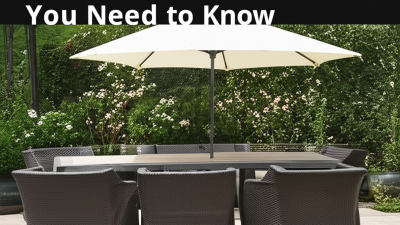
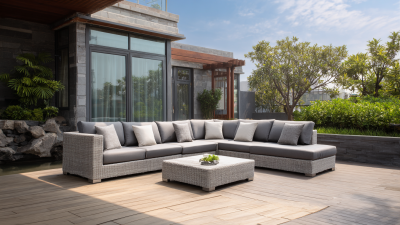
How to Choose the Best Lanai Furniture for Your Outdoor Space?
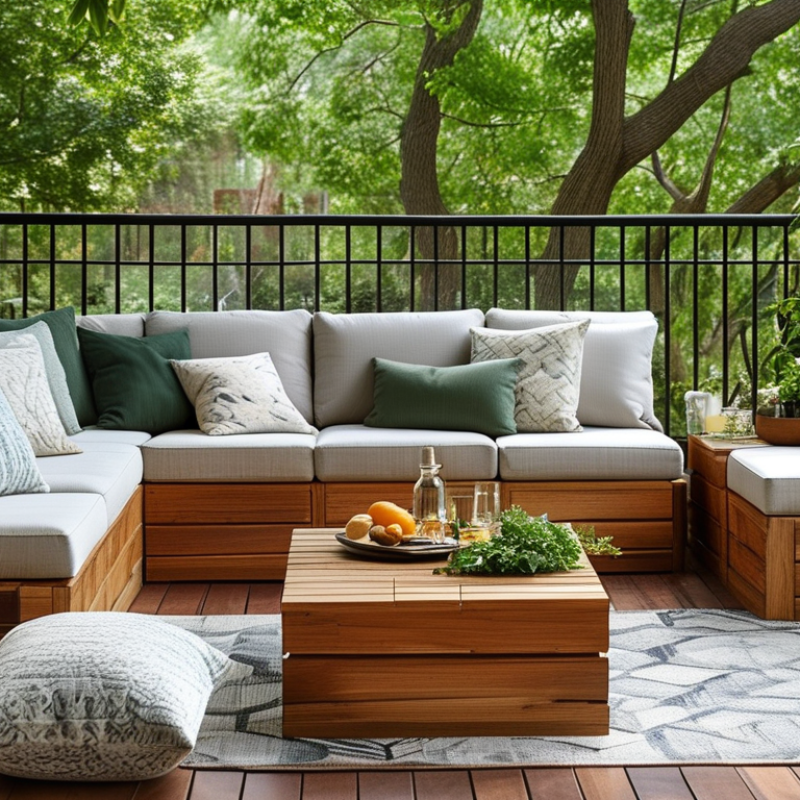
When it comes to creating a perfect outdoor space, choosing the right Lanai Furniture is essential. The right pieces can transform your lanai into a cozy oasis. Think about how you will use the space. Will it be for entertaining guests or quiet relaxation?
Consider various materials and styles. Some furniture can withstand all weather conditions. Others may not, which could lead to disappointment over time. It's crucial to balance aesthetics with practicality. Each piece should be sturdy yet inviting.
Don't overlook comfort. While some furniture looks appealing, it may not offer the best seating experience. Test out cushions and seating arrangements to ensure you enjoy your lanai fully. Reflect on what truly matters to you. Investing time in choosing the best Lanai Furniture will pay off. It enhances your outdoor enjoyment and adds value to your home.
Choosing the Right Material for Lanai Furniture
Choosing the right material for lanai furniture is crucial for enhancing your outdoor space. Different materials bring various benefits and drawbacks. For example, aluminum is lightweight and resistant to rust. However, it can become hot in direct sunlight, making it less comfortable for extended seating.
Wood offers a natural beauty and can create a warm, inviting atmosphere. Teak is a popular choice due to its durability. Unfortunately, wood requires regular maintenance to prevent decay. You might find yourself frequently applying oil or sealants to preserve its appearance.
Synthetic wicker is another option, often chosen for its stylish look. It’s weather-resistant but can fade over time with constant sun exposure. When selecting materials, consider how much time you’re willing to invest in maintenance. Sometimes, a low-maintenance option could save you both time and effort. Exploring and assessing your needs will lead you to make thoughtful choices.
Considerations for Climate and Weather Resistance
Choosing the right lanai furniture requires careful consideration of your local climate. For instance, areas with high humidity may call for materials that resist mold and mildew. Synthetic fabrics like olefin are often a smart choice for cushions. These materials dry quickly and resist fading from UV exposure.
Wood furniture offers natural beauty but demands regular maintenance. Teak, for example, is naturally weather-resistant. However, it still needs periodic oiling to maintain its luster. Aluminum frames are durable and lightweight, making them excellent options for windy environments. Reports suggest that aluminum can withstand corrosion better than many other materials.
**Tips:** Check the furniture's warranty and gauge how it holds up under your climate conditions. You want pieces that endure but also offer comfort. Look into cushions with water-repellent covers, which can prolong their lifespan in variable weather. Additionally, consider the type of shade in your outdoor area. Direct sun exposure may require more resilient, heat-resistant materials.
How to Choose the Best Lanai Furniture for Your Outdoor Space?
| Material |
Weather Resistance |
Comfort Level |
Maintenance |
| Aluminum |
Excellent |
Medium |
Low |
| Teak |
Good |
High |
Medium |
| Resin Wicker |
Excellent |
Medium |
Low |
| Steel |
Fair |
High |
High |
| Plastic |
Good |
Low |
Very Low |
Sizing and Arranging Your Lanai Furniture Layout
When selecting lanai furniture, size and arrangement matter significantly. Research shows that effective outdoor layouts can increase leisure space enjoyment by up to 30%. Start by measuring your lanai. Know the dimensions of the area. Leave room for movement. A well-sized table and chairs should not overwhelm the space.
Consider the layout's flow. Position larger furniture pieces, like sofas, along the walls. This creates an inviting atmosphere while maximizing the open area in the center. Aim for a balance between comfort and accessibility. Industry experts suggest a minimum of 24 inches between seating areas to ensure easy access and conversation.
Yet, complexities arise. Finding the right scale is tricky. Oversized furniture can dominate, while tiny pieces may feel lost. Reflect on your personal tastes too. Incorporating a mix of styles can enrich your space but requires careful consideration. Ultimately, a thoughtful layout reflects both function and your unique style. Each choice shapes your lanai’s ambiance.
Matching Furniture Style with Your Outdoor Aesthetic
When choosing lanai furniture, it’s essential to align your selections with your outdoor aesthetics. Start by identifying the theme of your space. Is it coastal, modern, or tropical? This clarity will guide your choices. For a coastal theme, pick light colors and natural textures. Consider wicker pieces that evoke a beachy feel.
Textiles play a significant role in creating harmony. Fabrics should not only complement your furniture but also resist outdoor conditions. Look for colors that mirror your surroundings. Bright hues can energize a space, while muted tones can create calm. Accessories like cushions or throws add layers. They can be easily changed for a seasonal refresh.
Don’t forget functionality. While aesthetics are vital, comfort matters too. Choose ergonomic designs that invite relaxation. Sometimes, practical choices may not match the visual ideal. Balancing these aspects is a thoughtful process. Reflect on how you plan to use your outdoor space. Will it be a gathering spot or a quiet retreat? Keep revisiting your vision for a cohesive design. Aim for a space that feels right, even if it's not perfect.
Outdoor Furniture Style Preferences
This bar chart illustrates the preferences for different outdoor furniture styles among users. Modern style tops the list, while Industrial style has the least preference. This data can guide you in selecting the best lanai furniture that matches your outdoor aesthetic.
Budgeting for Quality and Longevity in Lanai Furniture
When selecting lanai furniture, budgeting for quality is crucial. Quality pieces may have a higher initial cost but offer long-term savings. Consider materials like aluminum, teak, or high-density polyethylene. These materials withstand weather changes and resist wear over time. You might feel tempted to choose cheaper options, but this can lead to frequent replacements.
Evaluate your outdoor space. Measure your area to ensure the furniture will fit well without crowding. Remember, the comfort of seating is essential. High-quality cushions last longer and provide better comfort. Choose fabrics that resist fading and mildew. Sometimes, it's easy to overlook durability in favor of aesthetics.
Think about maintenance costs, too. Select furniture that is easy to clean and maintain. Regular upkeep can extend the lifecycle of your investment. Don’t shy away from comparing warranties. A good warranty reflects a company's confidence in their product. While it can be tempting to choose based solely on price, consider the full picture to make a smart choice.