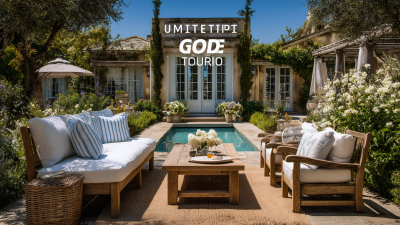
What Is Courtyard Furniture A Global Buyers Guide?

Courtyard Furniture is no longer limited to a few chairs beside a garden table. It now includes sofas, loungers, dining sets, shade systems, cushions, and modular outdoor rooms. Global buyers must judge more than appearance. They must examine weather resistance, comfort, maintenance, packaging, and replacement availability.

Grand View Research valued the global outdoor furniture market at approximately USD 23.32 billion in 2023. Its report forecasts continued growth through 2030, supported by hospitality investment, urban balconies, and residential outdoor living. Market definitions differ, however. Some reports include garden tools or umbrellas, while others focus only on furniture. That difference deserves attention.

Patricia Urquiola, a leading furniture designer, describes the design ambition as “bringing the comfort of the inside out.” The phrase is useful, but incomplete. Outdoor comfort also depends on drainage, airflow, fabric drying time, and frame stability. A soft cushion can become a liability after one wet season. A beautiful powder-coated frame can still corrode near saltwater.

This global buyers guide examines those practical details. It compares aluminum, teak, steel, synthetic rattan, and recycled polymers. It also considers climate zones, commercial durability, safety expectations, and supplier verification. Buyers should request test evidence, not attractive promises. Certifications help, but they do not replace inspection.

The difficult truth is simple: the cheapest quote may become the most expensive choice. Product samples reveal only part of the story. Long-term performance depends on design, manufacturing, installation, and care. This guide offers a reliable starting point, while acknowledging that no single material suits every courtyard.
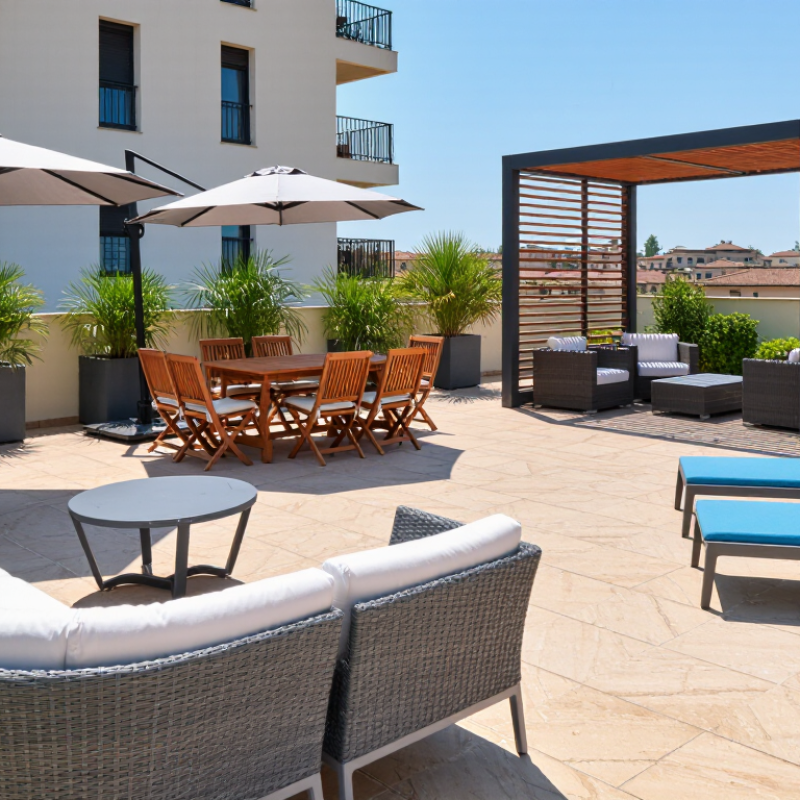
What Is Courtyard Furniture A Global Buyers Guide?

Definition and Purpose of Courtyard Furniture

What Is Courtyard Furniture? A Global Buyers Guide

Definition and Purpose of Courtyard Furniture

Courtyard furniture is outdoor seating, dining, and shading equipment designed for enclosed open-air spaces. It supports eating, resting, conversation, and small-scale social activities. Typical pieces include lounge chairs, benches, tables, umbrellas, and weather-resistant storage.

Its purpose extends beyond appearance. Good furniture manages sunlight, rain, airflow, movement, and daily maintenance. A courtyard rarely behaves like a showroom. Dust gathers beneath frames, water remains on flat surfaces, and narrow pathways expose poor layouts quickly. Materials should match local climate, expected use, and cleaning routines. Fortune Business Insights valued the global outdoor furniture market at US$23.41 billion in 2023. Its report forecasts growth to US$34.12 billion by 2032. IMARC reported a different 2023 estimate, about US$19.8 billion. The gap reflects different market definitions, not necessarily unreliable research.

Tips: Measure every access route before purchasing. Leave clear walking space around chairs. Choose quick-drying cushions in humid regions. Test chair stability on uneven paving. Check corrosion resistance near saltwater. These details often matter more than decorative style.

Experienced buyers should also inspect joints, drainage holes, fabric ratings, and replacement-part availability. Aluminium may reduce weight, while treated timber can provide warmer visual texture. However, neither option is maintenance-free. This definition remains useful, but imperfect. Courtyard furniture works best when comfort, safety, durability, and local conditions receive equal attention.

Key Materials Used in Courtyard Furniture

What Is Courtyard Furniture: A Global Buyers Guide?

Courtyard furniture must survive sunlight, rain, dust, and daily movement. Material selection often decides its service life. Grand View Research estimates that the global outdoor furniture market could grow at about 5% annually through 2030. That growth increases demand for stronger, lower-maintenance materials.

Aluminum is lightweight, rust-resistant, and practical for balconies or hospitality courtyards. The International Aluminium Institute reports that nearly 75% of all aluminum ever produced remains in use. This supports aluminum’s long-term circular value, although production still requires significant energy. Teak offers natural oils and attractive grain, but responsible sourcing matters. Look for documented chain-of-custody certification. Synthetic wood and HDPE resist moisture, yet their environmental performance depends on recycled content and end-of-life systems. The OECD reports that only about 9% of global plastic waste was recycled in 2019. That statistic should challenge easy “eco-friendly” claims.

Tips: Match the material to the climate. Use powder-coated aluminum near humid coasts. Choose breathable cushions with quick-drying foam in wet regions. Check welds, drainage gaps, fasteners, and replacement-part availability. Small details matter.

Steel feels stable, but untreated steel can stain paving and corrode. Stainless steel performs better, though it costs more and may show fingerprints. No material is perfect. A thoughtful buyer should compare weight, repairability, finish durability, recycled content, and local disposal options. Test a sample outdoors before placing a large order. Five minutes of inspection can expose a year of regret.

Main Types and Their Outdoor Applications

Courtyard furniture is outdoor equipment designed for shared, semi-open spaces. It includes dining sets, lounge seating, benches, shade systems, and compact side tables. The right type depends on traffic, weather, and user behavior.

Dining furniture suits hotel terraces, restaurant courtyards, and residential patios. Choose stackable chairs when operators need quick floor changes. Lounge sofas create slower, social areas around fire features or planted edges. Benches work well beside walkways and public courtyards. They support short stays without occupying large footprints. Shade changes everything. Cantilever umbrellas and lightweight canopies protect users during peak sunlight, but wind exposure requires careful anchoring.

Grand View Research estimated the global outdoor furniture market at about US$19.8 billion in 2023. Its report projects a 5.2% compound annual growth rate from 2024 to 2030. IMARC’s market analysis also identifies weather-resistant materials and hospitality demand as major growth factors. Estimates vary between reports. That difference deserves attention during budgeting.

Material selection should match the courtyard’s actual climate. Powder-coated aluminum resists rust, while treated timber offers warmth but needs scheduled maintenance. Drainage gaps prevent trapped rainwater and staining. Commercial buyers should verify load ratings, UV performance, replacement-part access, and cleaning requirements. Keep it movable. Heavy furniture can improve stability, yet it may reduce daily flexibility. A beautiful layout can still fail when staff cannot rearrange it efficiently. Experience often proves that maintenance planning matters as much as first impressions.

What Is Courtyard Furniture? A Global Buyers Guide

Main types and their typical outdoor applications

Lounge chair: Suitable for patios, balconies, pool decks and reading areas.
Two-seat sofa: Designed for residential courtyards, terraces and hotel outdoor lounges.
Dining chair and table: Used for outdoor meals, cafés, restaurants and shared courtyard spaces.
Bistro table: A compact option for balconies, small terraces and casual coffee seating.

Dimensions show representative planning sizes in centimetres based on common residential and hospitality outdoor-furniture configurations. Actual dimensions vary by design and manufacturer.

Factors for Choosing Durable Courtyard Furniture

What Is Courtyard Furniture? A Global Buyer’s Guide

Courtyard furniture includes seating, tables, loungers, and shade pieces for outdoor spaces. Durable choices begin with local weather, not appearance. In humid regions, moisture-resistant frames and quick-drying cushions matter greatly. Strong sunlight can fade fabric and weaken cheap plastics. Coastal buyers should also inspect corrosion-resistant hardware, especially around salt air.

Material quality is only part of durability. Look for tight joints, stable welds, and level feet that will not wobble on paving. Powder-coated metal can resist daily exposure, while dense hardwood needs regular care. Outdoor fabric should have UV resistance, secure stitching, and removable covers. Check drainage holes beneath cushions. Water trapped inside creates unpleasant odors and hidden damage.

I once chose a beautiful chair with poor drainage; it looked fine for one season. That mistake still influences my buying decisions.

Tips: Sit on every chair before ordering several. Test the frame for movement. Ask about replacement covers, hardware, and care instructions. Measure doorways and storage areas first. Leave space for walking, even when the courtyard feels large. Avoid choosing the heaviest furniture automatically; weight helps against wind, but it complicates cleaning. Review the warranty carefully, though warranty language can be less useful than visible construction quality. Inspect samples in daylight. Small color differences often appear later.

Maintenance, Comfort, and Weather Protection

Courtyard furniture turns an open space into a practical living area. Grand View Research valued the global outdoor furniture market at approximately US$23 billion in 2023. Yet purchase volume does not guarantee long service life. Materials, drainage, sunlight, and cleaning habits matter more than appearance alone.

Comfort begins with proportion.
Seat height near 40–46 centimetres supports easier movement for many adults. Cushions should dry quickly, not merely feel soft in a showroom. The American Society of Heating, Refrigerating and Air-Conditioning Engineers notes that air movement strongly affects perceived comfort. A shaded chair can therefore feel cooler without mechanical cooling. Still, I would test the seat personally. Product descriptions cannot reveal every pressure point.

Weather protection needs routine attention.
The U.S. Department of Agriculture’s Wood Handbook explains that changing moisture causes wood to swell and shrink. Leave small gaps beneath furniture, wipe standing water, and inspect joints after heavy rain. UV-resistant fabric can slow fading, but it cannot defeat constant exposure. The International Organization for Standardization’s ISO 4892-3 testing method evaluates accelerated weathering; real courtyards remain less predictable. Covers help, though trapped moisture may encourage mildew. I have seen owners cover furniture too tightly and create the problem they hoped to prevent. Clean spills promptly, store cushions when storms approach, and check fasteners every few months. Small habits protect comfort.