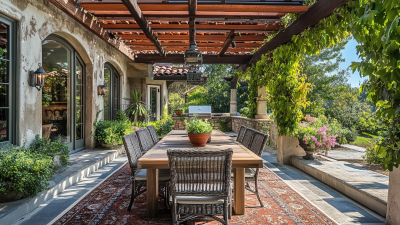
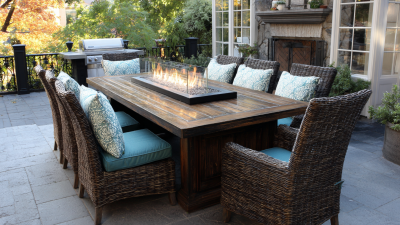
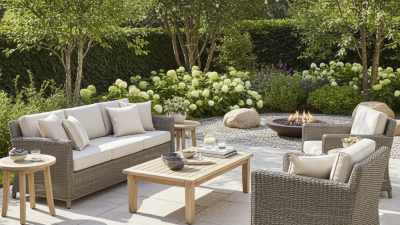
A garden dining set creates a place to eat, talk, and linger outdoors. It usually includes a table and matching chairs, though some sets add benches or an umbrella. The right choice depends on more than appearance. Measure the patio or lawn, then leave enough room to pull out chairs and walk around the table. A set that looks elegant in a showroom may feel cramped beside a planter or garden path.
Furniture designer Charles Eames once said, “The details are not the details. They make the design.” He was not speaking specifically about garden dining sets, but the principle fits. Look closely at frame joints, chair spacing, and finishes. Aluminum is light and easy to move; wood brings warmth but may need regular care. Woven materials can soften a hard patio, though their weather resistance varies by construction. Touch the surfaces, check the chair height, and consider where cushions will be stored after rain.
Garden Dining Sets should suit the way people actually use the space. A compact round table can make conversation easier on a small balcony. A longer rectangular table can serve family meals, but only if the area allows comfortable movement. Material labels do not tell the whole story. Shade, damp ground, and local weather affect durability, too. Even careful planning can miss something; a chair leg may catch on uneven paving. That is worth checking before buying. A practical set should feel inviting on an ordinary afternoon, not just in a polished product photo.

A garden dining set is an outdoor table paired with chairs for meals on a patio, lawn, or deck. The table provides the shared surface; chairs should offer stable legs and a comfortable seat. Materials such as treated wood, metal, or weather-resistant resin affect weight, upkeep, and how the set handles exposure. Cushions can soften hard seats, while an umbrella is an optional addition, not a core component.
Size matters in everyday use. Leave room to pull chairs back and carry plates around the table; otherwise, even a generous tabletop can feel cramped. Shade helps.
The Outdoor Industry Association’s 2024 Outdoor Participation Trends Report counted 175.8 million U.S. outdoor recreation participants in 2023, equal to 57.3% of the population.
That figure describes outdoor recreation broadly, not garden dining specifically, so it should not be read as proof of demand for dining sets. Still, it helps explain why outdoor spaces serve as places to gather. A set may look balanced in a showroom, yet feel awkward once serving dishes, wet cushions, and a passing breeze enter the picture. That practical trade-off deserves attention.
A garden dining set combines an outdoor table with matching or coordinated seating. Common configurations range from compact two-seat sets to tables designed for six or more people. A two-seat set suits a small patio or balcony, while four seats work well for everyday family meals. Larger sets offer room for guests, but only when the garden has enough space around the table.
Table shape affects both seating and movement. Round tables encourage conversation and fit neatly into corners, though their central pedestal can limit legroom. Rectangular tables use narrow spaces efficiently and are easy to place beside a wall. Square tables feel balanced in small dining areas. Measure the tabletop and chairs together. A set that looks modest in a showroom may dominate a small terrace.
Layout matters as much as capacity. Leave enough room to pull chairs back without hitting a fence, planter, or doorway. Allow a clear walking path to the house. That detail is easy to miss. For a long garden, align a rectangular set with the main path; for a sheltered nook, a round table can soften the arrangement. The ideal setup may still feel a little tight during a gathering, so choose comfort over one extra seat.
Wood, metal, wicker, and outdoor-grade fabrics each handle weather differently. Wood brings warmth and a solid feel, but it needs room to dry after rain. The USDA Forest Products Laboratory’s Wood Handbook reports an average fiber saturation point of about 30% moisture content; below this level, wood can shrink as it dries. That helps explain why exposed joints may loosen or crack over time. Teak and other durable hardwoods resist outdoor wear, though no wood is maintenance-free.
Metal offers a clean, sturdy frame. Aluminum is relatively light and resists rust, while steel feels heavier and needs a dependable protective finish. Wicker can mean natural woven fibers or synthetic resin; the latter is generally better suited to repeated wetting, but tight weave can trap leaves and grit. Outdoor-grade fabrics should dry quickly and resist fading. Check the fabric’s care guidance, and inspect seams where water can linger.
Tips: Match materials to your actual weather, not just the showroom. In rainy areas, lift cushions after use and choose frames with drainage-friendly joints. In strong sun, look for UV-resistant fabric and provide shade when possible. A practical detail: try moving a chair before buying the full set. Heavy furniture may stay put in wind, but it can be awkward to rearrange. One trade-off is easy to miss.
A garden dining set pairs an outdoor table with chairs for meals on a patio, deck, or lawn. Its service life depends on the finish, weather exposure, and regular care. Sunlight can fade pigments and weaken coatings. Moisture may lift paint, corrode metal, or swell wood. Small scratches matter. Water can enter there. The USDA Forest Products Laboratory’s Wood Handbook—Wood as an Engineering Material (2021) reports that, at 70°F, wood’s equilibrium moisture content rises from about 6% at 30% relative humidity to about 20% at 90%. That shift helps explain seasonal movement and the value of maintaining a sound finish. ASTM G154 describes accelerated exposure to fluorescent UV and moisture-condensation cycles; test results do not guarantee a specific outdoor lifespan.
Tips: Match care to the material. Rinse off grit before wiping, since it can scratch a coating. Let furniture dry fully after rain, and check joints, edges, and feet each season. Touch up exposed spots promptly with a compatible finish. Follow the maker’s care instructions where available. I’d still inspect after winter; one missed chip can grow, though timing varies with shade, climate, and use.
| Material and Typical Finish | Weather Resistance | Care That Helps Extend Service Life | Indicative Outdoor Service Life |
|---|---|---|---|
| Aluminum with powder coating | Aluminum does not rust like iron or steel. A sound powder-coated finish helps limit oxidation and surface scratching, but chips can expose the metal beneath. | Wash periodically with mild soap and water; rinse off salt and grime. Touch up coating chips promptly and avoid abrasive cleaners. | Often around 10–20 years or longer with routine care; finish wear and hardware condition can shorten this. |
| Steel with a protective coating | Powder coating or galvanizing can slow corrosion, but exposed scratches, joints, and fasteners may rust, especially in damp or coastal conditions. | Keep the frame clean and dry when possible. Inspect chips and seams, repair damaged coating, and store or cover the set during prolonged wet periods. | Commonly about 5–15 years, depending strongly on coating quality, exposure, and maintenance. |
| Stainless steel | Resists corrosion better than ordinary steel, but it is not completely rust-proof. Salt deposits and surface contamination can cause staining or pitting. | Rinse regularly in coastal areas and clean with a suitable non-abrasive cleaner. Avoid steel-wool pads that can leave particles on the surface. | Often 10–20 years or longer when the steel grade is appropriate for the environment and regularly cleaned. |
| Teak, unfinished or naturally weathered | Teak's natural oils and dense grain help it withstand outdoor exposure. Sunlight gradually changes its color to silvery gray; this color change is generally cosmetic. | Brush or wash gently to remove dirt. Allow the wood to dry between wet periods. Use a teak cleaner only when needed; sealers are optional and require reapplication. | Often 15–25 years or longer for well-made furniture with sound construction and regular basic care. |
| Acacia or eucalyptus with an outdoor oil or sealer | These hardwoods can perform outdoors, but their finish and exposed surfaces need more attention than teak. Repeated wetting and drying may cause fading, checking, or movement. | Clean gently, let the wood dry, and reapply an appropriate outdoor oil or sealer as directed. Protect from standing water and store under cover during harsh weather. | Typically around 5–15 years; climate, construction, and the frequency of finish renewal make a substantial difference. |
| UV-stabilized synthetic wicker over an aluminum frame | Designed for outdoor use, synthetic resin wicker generally tolerates rain and sunlight better than natural wicker. UV exposure can still cause fading or brittleness over time. | Rinse and clean with mild soapy water. Remove leaves and debris from weave gaps, and use a breathable cover or sheltered storage during long periods of severe weather. | Often about 5–10 years, with variation based on resin quality, UV exposure, and frame construction. |
Note: Service-life figures are broad, indicative ranges for outdoor furniture, not guarantees. Climate, proximity to the coast, direct sun, drainage, construction quality, and care routines can significantly affect actual lifespan.
A garden dining set pairs an outdoor table with seating, but appearance alone cannot show whether it handles everyday use safely. EN 581-2:2015 covers safety requirements and test methods for outdoor seating. EN 581-3:2017 addresses outdoor tables. Both standards assess mechanical performance, including stability and strength, using defined tests.
CEN’s standards give manufacturers and test laboratories a common technical benchmark. The European Commission’s Safety Gate 2023 report recorded 3,412 alerts across all product categories; it does not provide a separate count for garden furniture. That wider figure is useful context, not proof that a particular set is unsafe. Ask sellers for test documentation that names the standard, product model, and tested configuration. Check that chairs remain steady on a level patio, and inspect joints and fasteners. Still, passing a test cannot promise perfect durability or protect furniture from poor assembly.
Tips: Match the table and chairs to their intended use, and confirm that the paperwork covers both EN 581-2 seating and EN 581-3 tables. Retighten loose fasteners after setup. Small details matter.
What is a garden dining set? It is outdoor dining furniture combining seating and a table. EN 581-2 covers mechanical safety requirements and test methods for outdoor seating; EN 581-3 covers these for outdoor tables. The chart shows which part applies to each component, not a test result or certification.