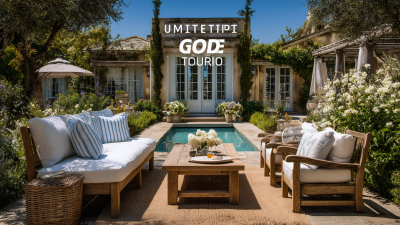
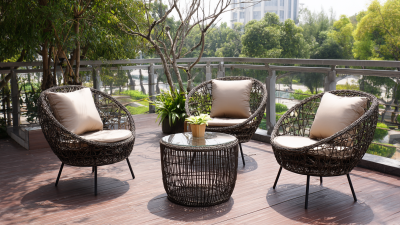
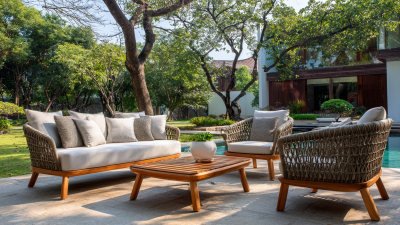
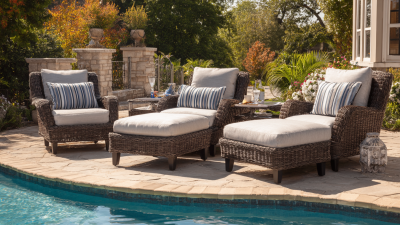
Garden Dining has become a defining feature of modern outdoor living. It turns a patio, balcony, or lawn into a practical social room. Morning coffee feels more open beneath a pergola. Evening meals gain atmosphere beside warm lights, herbs, and gentle wind.
Outdoor furniture designer Richard Frinier has described the guiding idea clearly: “Outdoor furniture should be as comfortable and beautiful as indoor furniture.” This principle helps explain the appeal of Garden Dining. Buyers now expect supportive chairs, durable finishes, and tables suited to everyday use. They want furniture that welcomes long lunches, children’s dinners, and quiet conversations.
Materials also influence its popularity. Powder-coated aluminium resists many weather conditions. Teak develops a soft silver colour when left untreated. Weather-resistant cushions add comfort, though they still need storage during heavy rain. Small details matter. Rounded table edges feel safer. Stackable chairs save space. Adjustable umbrellas make bright afternoons easier.
However, popularity does not guarantee a successful arrangement. A large table may overwhelm a narrow terrace. Dark cushions can become uncomfortably hot. Cheap finishes may fade sooner than expected. These weaknesses deserve attention.
Garden Dining works best when appearance and practical experience meet. The ideal setting is not merely stylish. It should support movement, cleaning, conversation, and changing weather. Perhaps that is the real reason it remains popular: it makes outdoor space feel useful without removing its natural character. Still, every garden has different needs. A perfect catalogue image is not always a perfect fit.
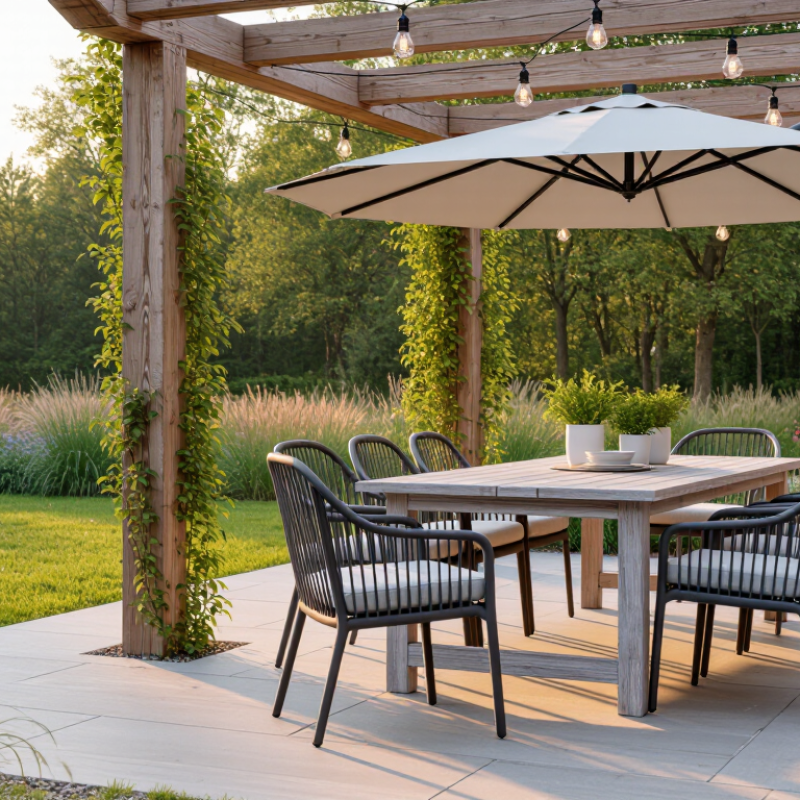
Garden dining furniture refers to tables, chairs, benches, and related pieces designed for outdoor meals. It turns a patio, balcony, or lawn into a usable dining area. Unlike indoor furniture, it must handle sunlight, moisture, dust, and changing temperatures. A suitable table also leaves enough space for plates, serving dishes, and comfortable movement. That sounds simple.
In my experience, a stable table matters more than an elaborate design. Uneven paving can make small tables wobble, especially when guests lean across them. A slatted tabletop can help rainwater drain, while rounded edges reduce uncomfortable contact during long meals. Chairs need proper back support and enough seat width. I have learned that outdoor comfort often depends on details people notice later, such as armrest height and easy cleaning. Not every attractive set feels practical.
Material choice affects maintenance and service life. Powder-coated metal is usually easy to clean, but scratches may expose the surface to rust. Timber feels warm and natural, yet it may need regular sealing in wet climates. Woven synthetic materials can dry quickly, though strong sunlight may gradually change their appearance. Check drainage holes, joint quality, and weight before buying. Garden dining furniture is not maintenance-free. That trade-off is easy to overlook when a display looks perfect.
Why Is Garden Dining Furniture So Popular?
Garden dining furniture supports everyday living by moving ordinary meals outdoors. Breakfast feels lighter beside herbs and morning sunlight. Dinner can continue while children play nearby. A sturdy table also becomes a work surface, serving station, or place for weekend crafts.
This flexibility reflects wider market behavior. Grand View Research projects the global outdoor furniture market to grow at roughly 5% annually through 2030. Its analysis identifies dining sets as a major product category. The demand is practical, not purely decorative. Homeowners want one purchase to support meals, conversations, remote work, and informal entertaining. The American Society of Landscape Architects also consistently lists outdoor living areas among highly requested residential features in its professional trend surveys.
Material choice matters in daily use. Powder-coated metal handles frequent cleaning and changing weather. Teak and other dense hardwoods can feel warmer, but they still need care. A table should leave enough room for elbows, serving dishes, and movement around chairs. Around 90 centimetres of clearance is a useful planning target.
Yet popularity does not guarantee comfort. I have seen attractive sets become frustrating when chairs trap rainwater or tables wobble on paving. Shade, drainage, and storage deserve equal attention. A smaller set may work better than an oversized one. That is an easy point to overlook. According to the U.S. Environmental Protection Agency, shade can reduce surface temperatures, making outdoor spaces more usable during hotter periods. Temperature remains a design issue, not merely a seasonal inconvenience.
| Data Dimension | Typical Measurement or Data | Everyday Living Benefit |
|---|---|---|
| Dining table height | Approximately 28–30 inches (71–76 cm) | Matches standard dining chairs and supports comfortable meals, reading, remote work, and family activities. |
| Chair seat height | Approximately 17–19 inches (43–48 cm) | Allows most adults to sit with their feet supported while eating or socializing. |
| Personal dining space | Allow about 24 inches (61 cm) of table edge per diner | Reduces crowding and leaves enough room for plates, cutlery, glasses, and shared dishes. |
| Common round-table capacity | 36–44 inches: about 4 people; 48–54 inches: about 4–6 people; 60 inches: about 6–8 people | Makes it easier to choose furniture for balconies, patios, gardens, and larger outdoor entertaining areas. |
| Recommended circulation space | Keep roughly 36 inches (91 cm) behind occupied chairs where possible | Provides a practical passage for serving food, moving chairs, and walking around the dining area. |
| Accessible table clearance | A commonly referenced accessible configuration provides at least 30 inches wide, 27 inches high, and 19 inches deep knee clearance | Can make outdoor dining more usable for wheelchair users and people who need additional legroom. |
| Weather exposure | Outdoor furniture is regularly exposed to sunlight, moisture, temperature changes, and airborne dirt | Weather-suitable construction and protective storage help maintain appearance and extend usable life. |
| Low-maintenance materials | Aluminum, treated hardwood, plastic, and outdoor-rated composite materials are commonly used | Supports frequent everyday use without requiring the same maintenance routine as many indoor wood furnishings. |
| Flexible furniture formats | Folding, stackable, extendable, and modular designs are widely used for outdoor dining | Allows the space to change from a quiet breakfast area to a larger gathering space with less effort. |
| Typical daily activities | Meals, coffee breaks, conversations, homework, laptop use, games, and entertaining | Turns gardens, patios, and balconies into practical extensions of the home rather than occasional-use spaces. |
Measurement note: Dimensions are practical residential planning benchmarks. Accessible clearance figures are based on commonly referenced requirements in the 2010 ADA Standards for Accessible Design; local regulations may differ.
Why Is Garden Dining Furniture So Popular?
Which Materials and Designs Make It Popular?
Garden dining furniture has become more practical as outdoor living expands. Grand View Research estimates that the global outdoor furniture market reached about USD 19.5 billion in 2023. The report also forecasts steady growth through 2030. Materials explain part of this demand. Powder-coated aluminum resists rust and remains light enough for seasonal rearrangement. Teak offers natural durability, although it gradually changes from honey-brown to silver-gray. Recycled plastic lumber handles moisture well and needs less routine care.
Design matters just as much. Modular tables can serve four people on weekdays and eight guests during weekend meals. Stackable chairs save space in narrow balconies and compact gardens. Rounded edges, supportive backs, and breathable fabrics improve comfort during long dinners. The 2024 Global Outdoor Living Report from the International Casual Furnishings Association identified dining and entertaining as major outdoor-living priorities among surveyed households. People want furniture that feels like an extension of the home, not temporary camping equipment.
Details often decide real performance. A slatted tabletop sheds rain faster than a sealed, flat surface. Adjustable feet reduce wobbling on paving stones. Stainless-steel fasteners help, but they are not completely immune to coastal corrosion. No material is maintenance-free. Even teak benefits from occasional cleaning, while dark finishes can become uncomfortably hot under direct sun. Designers sometimes prioritize appearance too heavily. That choice looks attractive in a showroom, yet it may feel impractical after several summers.
Weather resistance, low maintenance, and long service life are key reasons why outdoor dining furniture remains popular. The chart compares typical service-life estimates for widely used materials; actual performance depends on climate, construction quality, and maintenance.
Typical service-life estimates: teak 25–50 years, powder-coated aluminum 15–20 years, recycled HDPE 15–20 years, galvanized steel 10–15 years, and synthetic wicker 5–10 years. Values are midpoints of commonly reported ranges for well-maintained outdoor furniture.
Why Is Garden Dining Furniture So Popular?
How Comfort, Flexibility, and Style Shape Buying Choices
Garden dining furniture has become popular because it makes ordinary meals feel more open and usable. From my experience planning small patios, comfort usually decides whether the table gets used weekly. A firm chair with a supportive back can keep guests talking after dinner. Soft cushions help, but they need quick-drying fabric and secure ties. Otherwise, one rainy afternoon can ruin the inviting feeling.
Flexibility matters when outdoor space serves several purposes. A four-seat table may host breakfast, remote work, or a late card game. Foldable chairs, stackable stools, and extendable surfaces help households adjust without crowding the patio. Lightweight pieces are easier to move toward shade, although very light frames may shift in strong wind. That trade-off deserves attention. Measure doorways and storage corners before buying. Many attractive sets fail this simple test.
Style shapes confidence. Natural wood tones can soften stone paving, while metal frames suit cleaner, modern spaces. The best choice connects with nearby plants, lighting, and house colors rather than copying a showroom. Look for stable joints, weather-resistant finishes, and replaceable cushions. These details signal practical quality and make maintenance easier to judge. Still, style can tempt buyers to overlook comfort. I have done that myself. Pretty chairs are not useful when guests keep shifting.
Garden dining furniture turns an outdoor area into a practical dining room. However, appearance should not lead the decision. Weather exposure, available space, comfort, and maintenance needs matter more over time.
Start by measuring the dining area, including walking space around each chair. Measure twice. A beautiful table can feel inconvenient when guests cannot move comfortably. Choose materials suited to your climate. Powder-coated metal resists many outdoor conditions, while treated wood needs regular care. Synthetic materials can be easier to clean, but quality varies. Check joints, fasteners, and table stability before buying. These details often reveal more than photographs.
Tips: Test the chair for ten minutes if possible. Look for supportive back angles, smooth edges, and enough legroom. Select cushions with removable, quick-drying covers, especially in rainy regions. Consider storage space for cushions during storms or winter. A shade umbrella may improve comfort, but it also needs a stable base and safe placement. I once focused too much on style and underestimated cleaning time. That mistake changed how I compare furniture now. Durability is not always obvious, and a higher price does not automatically prove better construction. Ask about care instructions, replacement parts, and material performance before committing. A reliable seller should provide clear specifications rather than vague promises.