Choosing the right Outdoor Sets from China requires more than comparing prices and attractive photographs. Buyers should examine materials, construction, supplier experience, and after-sales support. A low quote may look appealing, but hidden costs can appear through shipping, assembly, replacement parts, or inconsistent finishing.
China offers a broad manufacturing network for outdoor furniture, including aluminum dining sets, rattan lounge groups, wooden patio collections, and compact balcony designs. In practical sourcing, details matter. Check the frame thickness, weld quality, coating consistency, cushion density, and fabric performance. A sample placed outdoors can reveal weaknesses that product images hide. Water may collect beneath the cushions. Powder coating may fade unevenly. Small issues become expensive in large orders.
Reliable suppliers usually provide clear specifications, factory photographs, testing information, and realistic production schedules. However, certificates should be verified rather than accepted without questions. Regional weather also changes the decision. A coastal buyer may need stronger corrosion resistance, while a dry climate may prioritize UV protection. Buyers should also confirm packaging strength, because damaged corners and scratched frames are common risks during transit.
The best Outdoor Sets are not always the cheapest. They should balance comfort, durability, design, maintenance, and total delivered cost. Some suppliers communicate well but offer limited customization. Others provide impressive finishes but lack consistent quality control. That trade-off deserves honest attention. This guide compares practical options from China and explains what buyers should inspect before placing an order. Expectations should remain realistic. A careful decision begins with evidence, not promises.
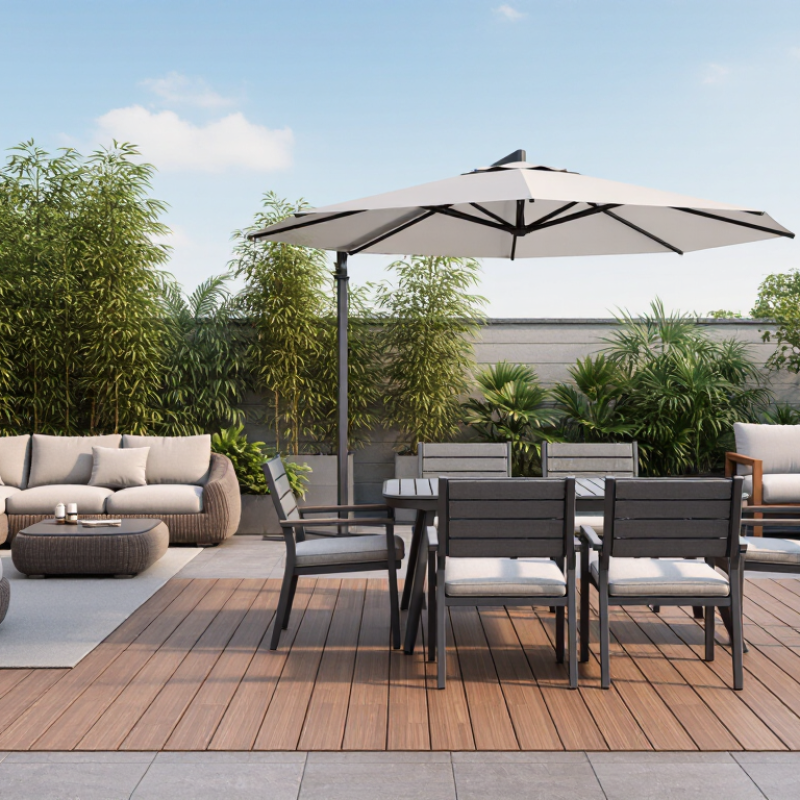
Outdoor sets from China are coordinated furniture collections manufactured by Chinese suppliers for gardens, patios, balconies, hotels, and restaurants. A typical set may include a dining table, chairs, lounge seats, or a compact sofa. Materials often include powder-coated aluminum, synthetic rattan, teak, ceramic, and weather-resistant fabric.
The main advantage is product variety. Chinese manufacturers can combine frame colors, cushion fabrics, table sizes, and packaging options. Many suppliers also support custom designs for commercial projects. However, quality is not identical across factories. A low-priced frame may use thinner metal, while outdoor fabric may fade after strong sunlight. Product photos can hide weak welds and uneven weaving. This is where careful evaluation matters. I have found that specifications sometimes sound impressive but remain incomplete.
Tips: Request material samples, close-up photos, load tests, and outdoor exposure records. Check aluminum thickness, coating performance, cushion density, drainage, and hardware quality. Ask whether replacement covers are available. Confirm carton dimensions and assembly instructions before ordering. A small sample inspection can reveal more than a polished catalog. Also, compare the written specifications with the actual sample. They may not match perfectly. That gap deserves attention.
What Are the Best Outdoor Sets from China?
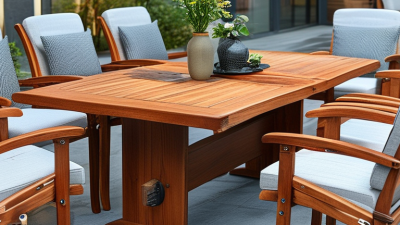
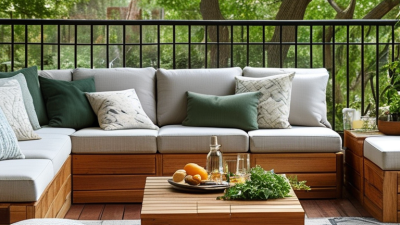
China offers many outdoor set types for different spaces, climates, and budgets. Compact balcony sets usually include two chairs and a small round table. They suit apartments, cafés, and narrow terraces. Dining sets provide four to twelve seats, often with extendable tables for changing guest numbers. Lounge sets use deeper cushions, low tables, and wider seats for relaxed conversations. Bistro sets are lighter and easier to move.
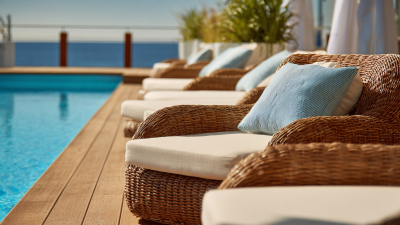
Poolside and resort sets often combine loungers, side tables, and weather-resistant cushions. Folding sets support events, camping areas, and flexible commercial spaces. Common materials include powder-coated aluminum, galvanized steel, synthetic rattan, solid wood, and ceramic or tempered-glass tabletops. Aluminum resists rust well, while steel needs careful coating inspection. Synthetic rattan looks attractive, but poor weaving can loosen over time.
Tips: Match the set to your weather first. Ask for frame thickness, cushion fabric details, drainage design, and test reports. Check packed dimensions before ordering. A large lounge set may look impressive online but overwhelm a small terrace. Request real photos, color samples, and assembly instructions. No material is perfect. Even strong outdoor furniture can fade, stain, or collect water without regular care. Think about replacement cushions and spare parts before approving the final order.
China’s outdoor sets commonly combine powder-coated aluminum frames with hand-woven PE rattan. Aluminum resists rust and keeps large tables manageable. PE rattan handles sunlight better than natural wicker, but cheap grades can fade or crack. I check frame welds, drainage holes, and UV test results before judging a set. Powder coating should feel even, not chalky. Small details matter outdoors.
Grand View Research estimates the global outdoor furniture market reached about US$19.7 billion in 2023, with continued growth expected through 2030. This demand encourages Chinese suppliers to develop lighter, modular designs. Sectional sofas, stackable chairs, and nesting tables suit balconies and compact terraces. Quick-dry foam and solution-dyed fabrics are increasingly practical choices. Still, “weather-resistant” does not mean maintenance-free.
Teak and eucalyptus offer a warmer appearance than metal, while requiring oiling and careful moisture control. Aluminum performs well near coastal areas, although salty air can attack exposed fasteners. The American Society for Testing and Materials provides relevant performance methods for outdoor furniture, including stability and durability testing. Ask for test documentation, fabric specifications, and coating thickness rather than trusting photographs. I have seen attractive sets fail because water stayed inside hollow frames. Design is important, but construction decides longevity.
Common materials and design considerations for outdoor furniture sets
How to read the chart: Lower-density materials generally produce lighter, easier-to-move outdoor sets, while higher-density materials are typically heavier and more stable in windy conditions.
Designs commonly include modular sofas, stackable chairs, extendable dining tables, slatted surfaces, and neutral earth-tone finishes.
Choosing outdoor sets from China requires more than attractive photographs and a low quotation. Grand View Research’s 2024 Outdoor Furniture Market report forecasts steady global growth through 2030, increasing competition among suppliers. That competition can improve design, but it can also hide uneven material quality. Ask for the alloy grade, wood treatment, fabric composition, and coating process. Request test reports, not only factory claims.
Comfort needs physical checking. Sit on a sample for at least ten minutes. Check seat depth, cushion rebound, armrest height, and drainage after simulated rain. The BIFMA X5.5 standard offers useful guidance for outdoor seating strength and durability, although compliance should be verified for the exact model. A thick cushion is not automatically comfortable. Dense foam may feel firm, while cheap filling can flatten quickly.
Durability depends on climate and maintenance. ASTM G154 ultraviolet weathering tests can help compare fabric and coating performance, but laboratory exposure cannot perfectly copy coastal salt, winter frost, or daily use. Look underneath. Welds should be continuous, screws should resist corrosion, and hidden frame joints should not wobble. The 2024 Global Furniture Industry report from CSIL highlights ongoing pressure on supply chains and material costs, so unusually low prices deserve careful questioning. No finish stays perfect. I would inspect a production sample after outdoor exposure, because one polished showroom sample can conceal inconsistent workmanship.
Choosing the best outdoor set from China starts with the supplier, not the catalog photo.
A reliable partner should explain materials, production capacity, and quality controls clearly. Look for weather-resistant aluminum, treated wood, or tested synthetic rattan. Ask how each material handles sunlight, rain, and temperature changes.
Request a business license, factory address, product specifications, and recent inspection records. A video tour can help, but it should not replace an independent factory audit. Check whether the supplier can provide samples before mass production. Examine welds, coating thickness, fabric stitching, drainage holes, and carton protection. Small defects often become expensive claims later.
Do not judge reliability by fast replies alone. Ask for a written production schedule, acceptable defect limits, packaging details, and a clear replacement process. Confirm that products meet the safety and environmental rules of your target market. Independent testing may be necessary for coatings, fabrics, or structural strength. Keep every agreement in writing.
A useful warning: The cheapest quotation may exclude packaging, testing, or shipping risks. I would compare at least three detailed offers, not three prices.
One supplier may appear less flexible because its inspection process is stricter. That can be a positive sign, although strict documents do not guarantee perfect production. Recheck critical details before payment. Suppliers can improve, but buyers must inspect.