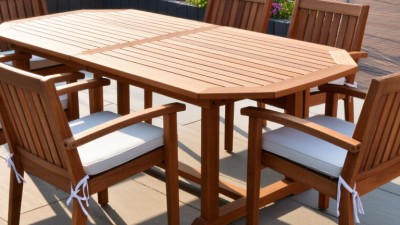
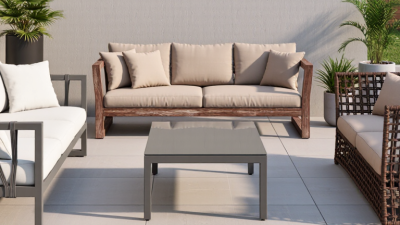
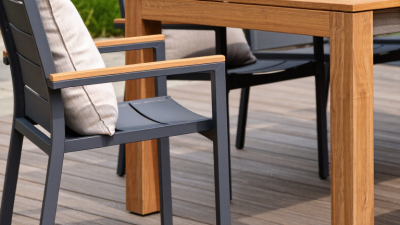
Choosing China’s top outdoor furniture suppliers takes more than comparing product photos or low prices. Weatherproof Furniture must handle real conditions: strong sun, heavy rain, humidity, and repeated temperature changes. A powder-coated aluminum chair may resist corrosion, while quick-drying cushions and UV-resistant fabric can help preserve comfort and color. Details matter. So do clear material specifications.
This guide explains how to assess Chinese suppliers by product range, manufacturing experience, quality checks, customization options, and export support. It also highlights practical questions to ask, such as how frames are finished, how water drains from tables, and whether replacement parts are available. Requesting samples and written specifications can reveal gaps that a polished catalog may hide. No supplier is right for every project. A factory with broad capacity may not suit a small, highly customized order, and a low quote may exclude packaging or testing. That deserves a second look. Supplier claims should be checked against current product documents, sample inspections, and direct communication. Use the comparisons as a starting point, not a guarantee; performance depends on materials, assembly, care, and the weather where the furniture will be used.
In China’s outdoor furniture market, “weatherproof” is a working specification, not a promise that furniture can stay outdoors forever. Suppliers typically use the term for products designed to resist rain, sunlight, humidity, and temperature changes. The actual protection depends on the frame, surface finish, fabric, joints, and drainage. A powder-coated metal frame may resist corrosion, while untreated edges or trapped water can still create problems.
For buyers, the useful question is how each component performs in its intended setting. Coastal air, a covered balcony, and a rainy garden place different demands on furniture. Check whether cushions dry quickly, table slats shed water, and screws or connectors resist corrosion. Ask suppliers for care instructions and test information, not just a “weatherproof” label. Specific details matter.
Even suitable materials need sensible care. Rinsing away salt or dust, drying cushions, and storing loose textiles during severe weather can extend service life. “Weatherproof” does not mean maintenance-free, and colors may fade or finishes wear unevenly over time. Trade-offs remain. In China’s export-oriented supply market, comparing construction details and documented test conditions offers a clearer basis for choosing than relying on a broad product description.
China Top Weatherproof Furniture Suppliers?
How to Assess Weatherproof Furniture Suppliers in China
Assess suppliers by checking how they define “weatherproof.” Outdoor furniture should withstand expected rain, sunlight, and temperature changes, but no material stays untouched forever. Ask for material specifications, coating details, and test reports that match the product you plan to buy. For metal frames, inspect welds, drainage points, and coating coverage around joints. For woven or wooden pieces, ask about UV resistance, moisture control, and care requirements. Clear, consistent answers matter. Vague promises deserve a closer look.
Tips: Request samples from the actual production line. Leave them outdoors for several days, then check for fading, water pooling, loose fasteners, or rough edges. Confirm packaging and replacement-part options before placing a large order.
A factory visit or live video walkthrough can help verify equipment, inspection steps, and production capacity. Compare the supplier’s stated capacity with the lead time and sample quality. Ask how defects are recorded and what happens when an inspection fails. Keep specifications in writing, including dimensions, materials, finish, and acceptable color variation. Even a careful check has limits; a short sample test cannot predict years of exposure, and that is easy to forget when deadlines are tight.
Weatherproof furniture suppliers usually specialize by frame material, surface treatment, or end use. Metal specialists offer aluminum dining sets, loungers, and café chairs. Check alloy grades, weld finish, and powder-coat coverage; thin coatings can chip at sharp edges. Stainless-steel options suit damp sites, though lower-grade steel may stain near saltwater. Details matter.
Synthetic-wicker suppliers make woven sofas and chairs over aluminum frames, often using high-density polyethylene strands. Ask for UV-resistance test results and replacement-strand availability. Outdoor textile suppliers provide cushions, sling seats, and shade fabrics. Textile Exchange’s Materials Market Report 2024 estimates polyester made up 57% of global fiber production in 2023. Scale is not proof of outdoor durability. Ask about solution-dyed fibers, water resistance, and colorfastness instead.
Hardwood suppliers typically offer teak or other dense woods for benches and dining furniture; buyers should verify sourcing and maintenance requirements. Grand View Research valued the global outdoor furniture market at USD 52.04 billion in 2023, a broad category spanning residential and commercial products. For hospitality projects, contract suppliers may combine frames, cushions, and tables, then provide samples and specifications. A sample left outdoors for a few weeks can reveal fading or pooling, but it cannot replace documented testing. This is an imperfect check, yet often a useful one.
When comparing China’s weatherproof furniture suppliers, inspect materials before comparing prices. Grand View Research valued the global outdoor furniture market at US$50.41 billion in 2023 and projected 5.6% annual growth through 2030. That signals demand, not product quality. Ask for alloy grades, recycled-content records, and fabric specifications. Aluminum frames should show consistent welds and sealed joints; stainless-steel fasteners need a stated grade. For woven pieces, request UV-resistance and water-absorption test results. A sunny showroom proves little.
Certifications need context. ISO 9001 describes a quality-management system, not weather durability. Ask whether tests follow standards such as ASTM G154 for accelerated UV exposure or EN 581 for outdoor seating, and request reports from an ISO/IEC 17025-accredited laboratory. Check the tested model, sample size, and test date. A certificate may cover only the factory. Not the chair.
Production capability matters just as much. Verify monthly output, welding and coating equipment, inspection checkpoints, and batch traceability. Ask how the supplier checks coating thickness and records corrosion tests; request dated production samples, not only polished catalog images. Confirm packaging protects corners and woven surfaces during shipment. One detail is easy to miss: repeat orders can vary in shade or finish. I would compare samples from separate batches before approving a large order.
A material-level screening guide for comparing weatherproof furniture—not supplier-specific test results.
Ratings use a qualitative 1–5 screening scale, not standardized measurements. Actual performance depends on material grade, coatings, UV stabilizers, construction, and climate. When evaluating suppliers, check relevant evidence: EN 581 covers requirements and test methods for outdoor furniture; ISO 9227 specifies salt-spray corrosion testing; ISO 4892-3 covers fluorescent UV exposure of plastics; and FSC certification relates to responsible forest sourcing. Ask for product-specific test reports and confirm the scope and validity of any certification.
When evaluating China’s weatherproof furniture suppliers, ask for evidence tied to the exact materials and finishes in your order. A test report for a similar-looking chair is not enough. Check the issuing laboratory, sample description, test method, exposure conditions, and report date. For UV resistance, reports may reference ASTM G154 or ASTM G155; for outdoor furniture safety and durability, ask whether relevant EN 581 testing applies to your product. Verify report numbers directly with the laboratory where possible. Also request material specifications for the frame, fabric, coating, and fasteners. Small details matter.
Market context is useful, but not proof of product quality. Grand View Research estimated the global outdoor furniture market at USD 54.29 billion in 2023 and projected growth through 2030. That growing demand makes careful supplier checks more important. Ask suppliers how they control color batches, replace damaged parts, and trace production lots. Request dated factory photos or a live video walkthrough, then compare them with the stated production process. No shortcuts here.
Test a sample outdoors before approving a large order. Place it in the intended setting: near a pool, on a windy balcony, or in coastal air. Look for fading, water pooling, corrosion, loose joints, and fabric sagging. A test duration alone cannot promise a number of service years; climate, care, and installation all affect performance. I would also check packaging and spare-part availability. These are easy to overlook.