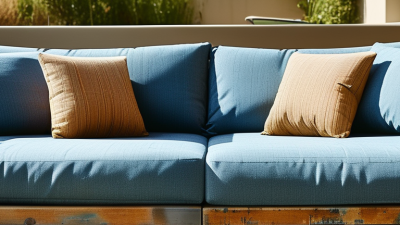
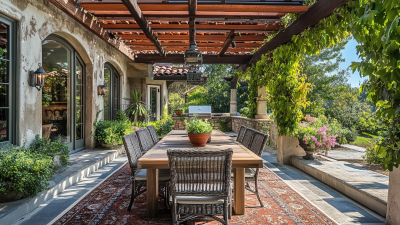
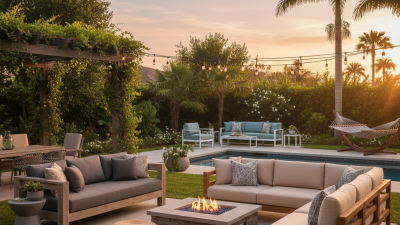
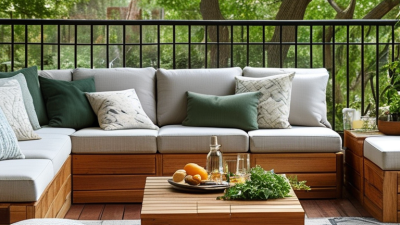
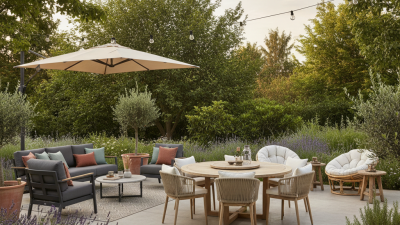
An Outdoor Loveseat is a compact seating choice designed for patios, balconies, porches, and garden spaces. It usually seats two people, offering more comfort than a chair without requiring a full-size sofa. The best option depends on your climate, available space, and daily habits. A shaded balcony may suit a cushioned model, while a sunny, rainy patio may need weather-resistant materials and quick-drying fabric.
Common types include metal, wood, wicker, plastic, and upholstered loveseats. Powder-coated aluminum resists rust and stays relatively light. Teak provides a warm appearance, though it needs occasional cleaning and may change color outdoors. Synthetic wicker can look inviting, but its quality varies greatly. Check the frame, weave, hardware, and cushion seams before buying. Small details matter.
Comfort should not be judged by photographs alone. Seat depth, back angle, arm height, and cushion firmness can change the experience. If possible, test the loveseat in person. Measure doorways and walking space too. A beautiful piece can become frustrating when it blocks a path.
There is no universal winner. Really, there isn’t. The best Outdoor Loveseat balances comfort, durability, maintenance, and price for your specific setting. Even careful recommendations have limits, because weather exposure and personal preferences differ. This guide compares each type honestly, including weaknesses, so you can choose a loveseat that remains useful after the first season.
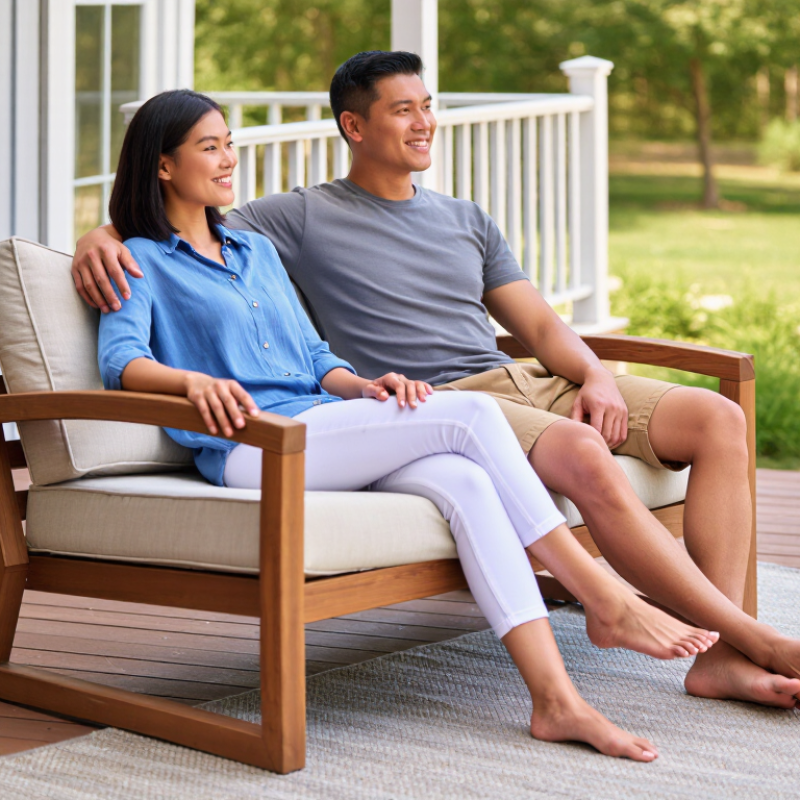
An outdoor loveseat is a compact two-person seat designed for open-air living. It is larger than a lounge chair but smaller than a standard sofa. Most loveseats measure about 48 to 60 inches wide, giving two adults enough room without dominating a balcony or patio. A strong frame is essential. Aluminum resists rust, while treated wood offers warmth but needs regular care. Woven resin can handle moisture, although poor-quality material may become brittle in strong sunlight. The best designs also use quick-drying cushions, breathable covers, and slightly raised feet. These details reduce trapped water after rain.
Comfort depends on more than soft padding. Seat depth, back angle, and arm height affect posture during long conversations. I have found that cushions with removable covers are easier to clean after pollen or spilled drinks. However, “weather-resistant” does not mean maintenance-free. My first assumption was wrong. Even durable fabric can fade when left under direct sun for months. A loveseat should also feel stable on uneven flooring, with no rocking or sharp edges. For windy areas, a heavier frame or secure placement may matter more than decorative styling. Measure the doorway, too. A beautiful loveseat is not useful if it cannot enter the space.
An outdoor loveseat is a compact two-seat sofa designed for patios, balconies, and garden areas. Its best type depends on climate, maintenance habits, and construction quality. Grand View Research estimated the global outdoor furniture market at about $20.8 billion in 2023, showing strong demand for durable exterior seating. However, a larger market does not guarantee better materials.
Aluminum frames resist rust and remain relatively light. Powder coating adds a protective finish, but chips can expose the metal underneath. Teak offers natural oils and attractive grain, while recycled plastic lumber needs little maintenance. Steel feels sturdy, yet it requires careful rust protection.
Woven resin creates a softer visual texture, but its weave can trap dust and moisture. Look for stainless or corrosion-resistant hardware, sloped surfaces, quick-drying cushions, and reinforced corner joints. The Freedonia Group identifies weather resistance and low maintenance as major purchasing factors in outdoor furniture. That matches practical experience. Cheap joinery often fails before the fabric does.
Tips: Match materials to your weather. Coastal air demands stronger corrosion protection. Check cushion drainage after rain. Modular loveseats offer flexibility, but extra joints may loosen over time. I once preferred a heavier steel frame, then regretted moving it alone. Weight is not always quality. Ask whether the frame, fabric, and fasteners are designed for outdoor exposure, not merely labeled “outdoor.”
An outdoor loveseat is a compact seat designed for two people. It usually has a shared cushion, supportive backrest, and two arms. Compared with an outdoor sofa, it occupies less space and creates a closer seating arrangement. A loveseat suits balconies, narrow patios, and small garden corners. Measure the area carefully. A few extra inches can block a walkway.
A sofa normally seats three or more people and encourages relaxed group conversation. Its deeper frame may feel comfortable, but it can overwhelm a compact terrace. A bench is simpler, often armless, and easier to move around. However, it may provide less back support during long evening meals. A chair gives one person more personal space. Pairing two chairs feels flexible, though the arrangement can look scattered.
The best loveseat depends on how the space is used. Choose a weather-resistant frame and quick-drying cushions for exposed patios. Look for a seat height that lets your feet rest naturally on the floor. I once preferred a very deep seat, but it made conversation awkward and standing difficult. That choice was comfortable only for short lounging sessions. A firm, medium-depth cushion may work better for daily use. Check cushion ties, drainage, arm height, and cleaning access before buying. Test the sitting posture if possible. Outdoor comfort is not always obvious from photographs.
An outdoor loveseat is a two-person seat designed for patios, balconies, and gardens. It usually measures 48 to 60 inches wide. The best choice depends on your space, climate, and daily habits. Grand View Research valued the global outdoor furniture market at about $19 billion in 2023, showing how quickly outdoor living has become a serious home investment. Yet bigger is not always better.
Measure the area before shopping. Leave at least 24 inches for walking, and check door clearance carefully. Aluminum frames suit damp climates because they resist rust and remain relatively light. Teak offers warmth, but it needs regular cleaning and may develop a silver-gray surface. Resin wicker feels softer visually, though weak construction can crack under strong sunlight. Look for stainless-steel hardware, drainage holes, and solution-dyed fabric. Small details matter.
For compact balconies, a shallow loveseat with removable cushions usually works best. Families may prefer modular seating with washable covers. Deep cushions feel comfortable, but they occupy more space and can hold moisture after rain.
The U.S. Environmental Protection Agency reports that outdoor fabric choices affect product durability and maintenance demands through weather exposure. I would not trust a loveseat only because it looks attractive online. Sit on it, inspect the joints, and question the warranty. My own preference can change after one wet season. Costs, shade, and storage needs deserve equal attention.
What Is an Outdoor Loveseat and Which Type Is Best?
An outdoor loveseat is a compact seat designed for two people in open-air spaces. It offers more comfort than a chair but uses less room than a full sofa. The best type depends on your climate, available space, and maintenance habits. For rainy areas, powder-coated metal or weather-resistant synthetic frames usually perform well. In hot, sunny gardens, UV-resistant materials help reduce fading and cracking. A breathable cushion cover also matters. Moisture trapped underneath can cause mildew.
Care starts with simple, regular habits. Brush away leaves and dirt before they become embedded. Wash the frame with mild soap, clean water, and a soft cloth. Avoid harsh cleaners, which may damage protective finishes. Remove cushions after heavy rain and let them dry completely in shade. I once stored damp cushions too quickly. They developed a musty smell within days. That mistake taught me to value airflow over convenience.
Weather protection should match the season. Use a breathable cover, not a tightly sealed plastic sheet, during long storage. Check that rain can drain from the seat instead of pooling in corners. Wooden loveseats may need periodic sealing, while metal frames require inspection for chips and rust. Tighten loose screws every few months. Replace damaged covers early. Small repairs are easier than restoring a neglected frame. Even durable furniture needs attention, and my own maintenance routine is still imperfect.
| Loveseat Type | Typical Width | Weather Resistance | Routine Care | Recommended Protection | Typical Service Life* | Best Use | Overall Long-Term Suitability |
|---|---|---|---|---|---|---|---|
| Powder-Coated Aluminum | 48–60 in (122–152 cm) | Excellent resistance to rust; finish can fade or chip if damaged. | Clean with mild soap and water several times per season; rinse after salt exposure. | Use a breathable cover; touch up scratches promptly to protect the coating. | 10–20 years with proper care | Humid, rainy, or coastal areas where low maintenance is important. | Excellent |
| Teak Hardwood | 48–62 in (122–157 cm) | Very good natural resistance to moisture, insects, and outdoor exposure. | Brush or wash periodically; allow the wood to dry fully. Sand lightly only when needed. | Cover during prolonged wet or freezing periods; sealers are optional and require reapplication. | 15–25+ years with regular maintenance | Patios and gardens where natural appearance and durability are priorities. | Excellent |
| HDPE Outdoor Lumber | 48–60 in (122–152 cm) | Excellent resistance to moisture, rot, insects, and peeling; colors may gradually weather. | Wash with soap and water; remove food, sunscreen, and mildew stains promptly. | A cover is optional but useful in severe weather; ensure ventilation underneath. | 15–25+ years with basic cleaning | High-use spaces, damp climates, and households wanting minimal maintenance. | Excellent |
| Synthetic Wicker on Aluminum | 48–60 in (122–152 cm) | Good when made with UV-stabilized resin; woven strands can split or loosen over time. | Vacuum or brush debris from the weave; wash gently and dry completely. | Use a breathable cover and keep cushions dry; avoid standing water. | 5–15 years, depending on UV exposure and weave quality | Covered patios and sheltered balconies with a classic woven look. | Good |
| Galvanized or Powder-Coated Steel | 48–60 in (122–152 cm) | Strong and stable; exposed scratches, cut edges, and trapped moisture can lead to corrosion. | Inspect joints and coating regularly; clean, dry, and repair chips before rust develops. | Use a breathable cover; keep off constantly wet surfaces and avoid sealed moisture pockets. | 8–15 years with coating maintenance | Windy locations where a heavier frame is preferred. | Good |
| Wrought Iron | 48–64 in (122–163 cm) | Very stable in wind but vulnerable to rust where paint or protective coating is damaged. | Remove rust, dry thoroughly, and repaint affected areas as soon as needed. | Use a fitted breathable cover and keep the frame away from standing water. | 10–20 years with regular refinishing | Wind-exposed patios and traditional outdoor settings. | Good with maintenance |
| Plastic or Resin | 44–58 in (112–147 cm) | Resists rot and rust; lower-quality materials may become brittle or fade in strong sunlight. | Wash with mild detergent; avoid abrasive cleaners that can scratch the surface. | Store or cover during severe weather; keep away from intense heat sources. | 5–10 years, depending on resin quality and UV exposure | Budget-conscious spaces and occasional seasonal use. | Fair to Good |
*Service-life figures are typical estimates for properly constructed furniture used outdoors and maintained according to its material. Climate, sunlight, salt air, freezing temperatures, assembly quality, and cushion storage can significantly affect actual longevity.